
























Melania movie rolls into theaters as Brett Ratner returns and Tim Cook’s appearance fuels fresh scrutiny

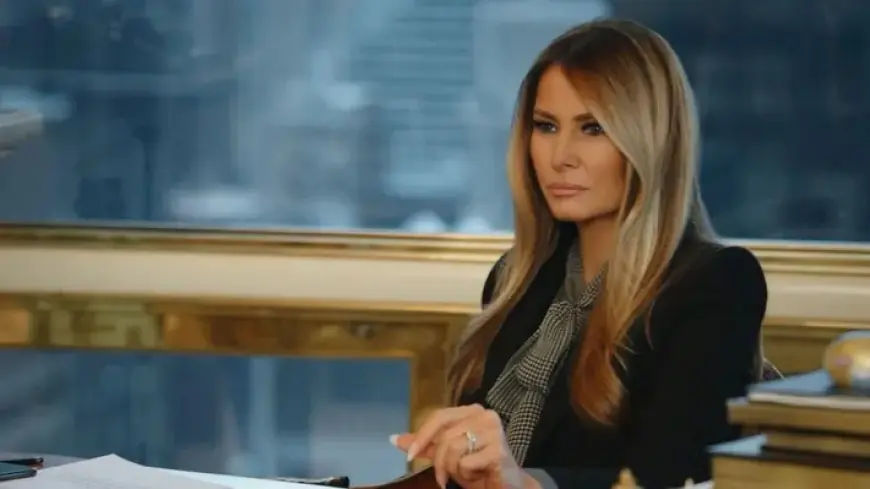
The Melania movie is set for a wide theatrical release this week, putting First Lady Melania Trump at the center of an unusually high-profile documentary launch that blends politics, celebrity, and corporate visibility. The film, titled Melania, follows her through a tightly framed stretch of time leading up to Donald Trump’s inauguration for a second term and arrives with a scale and marketing push rarely seen for documentaries.
With Brett Ratner directing and a guest list that included Apple CEO Tim Cook at a recent White House screening, the rollout has become a story about more than a film: it is also a test of audience demand, reputation, and how far a documentary can stretch into blockbuster-style territory.
A documentary release on blockbuster terms
Melania Trump’s film is scheduled to open Friday, January 30, 2026 in roughly 2,000 U.S. theaters, a footprint more typical of mainstream studio releases than niche nonfiction. The distributor has also signaled an international rollout, with the movie expected to arrive in additional markets around the same time.
The project has drawn attention for its price tag. The licensing fee has been widely described as around $40 million, and public discussion around the release has pointed to an aggressive marketing effort as well. The reason for the change has not been stated publicly when it comes to how the promotional budget was finalized, and some specifics have not been publicly clarified about the exact breakdown between licensing, production, and marketing.
Brett Ratner’s comeback puts the director in the spotlight
Brett Ratner’s involvement has made the Melania Trump movie a lightning rod for debate. Ratner has not directed a major film in years following multiple allegations of sexual misconduct that emerged in 2017; he has denied wrongdoing, and the accusations reshaped his standing across parts of the entertainment industry.
That context has become inseparable from the documentary’s public conversation. For supporters of the film, Ratner’s role is framed as a creative choice for a glossy, access-driven portrait. For critics, his presence raises questions about who gets welcomed back into high-profile projects and what reputational costs a production is willing to absorb.
Further specifics were not immediately available about whether the film’s promotional strategy is expected to address that controversy directly, or whether the campaign will remain focused on Melania Trump’s personal branding and behind-the-scenes access.
Tim Cook’s attendance turns a screening into a corporate flashpoint
The film’s rollout also pulled in Tim Cook after his attendance at a private screening hosted at the White House. The event was framed as a VIP gathering rather than a public premiere, and it drew a cross-section of business and social figures alongside entertainment and political guests.
Cook’s presence quickly became part of the narrative because it links a major technology leader to a project anchored in partisan politics and a director with a contentious history. For large public companies, executive visibility at politically adjacent events can carry reputational risk, especially when images circulate rapidly and stakeholders demand clarity about what the appearance signifies.
Key terms have not been disclosed publicly about whether Cook attended in a personal capacity, as part of broader civic engagement, or in connection with business relationships that overlap with entertainment and distribution.
How documentary rollouts work and who feels the impact
High-profile documentaries typically take one of two paths: a limited theatrical run designed to build prestige and reviews before moving to home viewing, or a direct-to-home release aimed at maximizing reach quickly. A wide theater launch changes the math. It increases upfront costs for marketing and distribution logistics, but it can also create a pop-culture moment that boosts later home-viewing performance and related projects.
That strategy has immediate effects on multiple groups. Theater operators benefit when a headline title fills seats on weeknights and weekends, especially in markets where turnout has been uneven. Viewers are split: politically engaged audiences may treat it as an event, while casual moviegoers may weigh it against traditional entertainment options. Corporate leaders and brand managers are also impacted when executive attendance, partnerships, or perceived alignment become part of the public debate.
What happens after opening weekend
The next milestone is the film’s opening weekend box office, with early performance expected to shape whether additional theater bookings expand or contract in the weeks that follow. Another near-term marker is when the distributor confirms the home-viewing timeline, including how long the theatrical window will remain exclusive before any broader release.
For now, the Melania movie is positioned as both a portrait of Melania Trump and a high-stakes experiment: can a documentary with political gravity, celebrity access, and controversy attached play at scale in mainstream theaters, and can the people around it manage the attention that comes with trying?