Kyle Rittenhouse resurfaces in national fight over gun rights after Minneapolis shooting

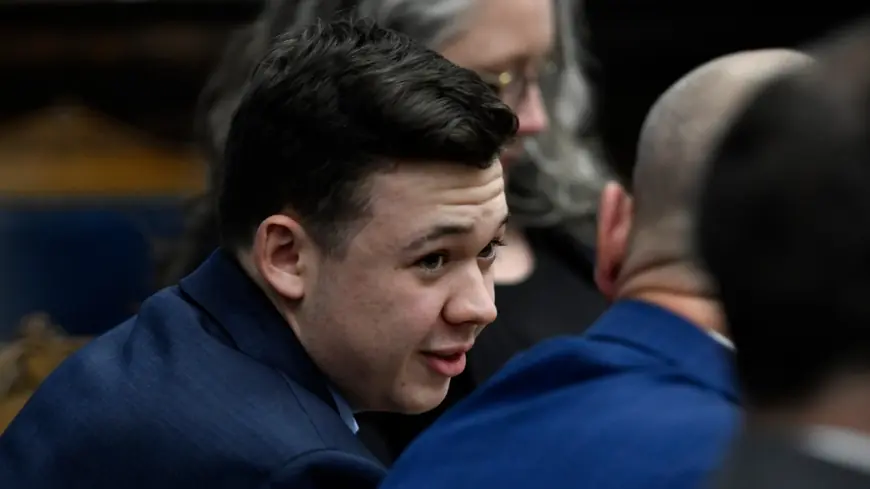
Kyle Rittenhouse is back in the political spotlight after weighing in on the fatal shooting of a legally armed man during a federal immigration operation in Minneapolis, a case that has triggered protests, internal government scrutiny, and a fresh rift inside the gun-rights coalition. His comments, framed as a warning about the right to carry firearms, have landed in a moment when the country is debating not only immigration enforcement, but also how law enforcement should treat armed civilians who are acting within state law.
The renewed attention comes as Rittenhouse, now 23, continues to build a public role as a Second Amendment activist years after his 2021 acquittal in the 2020 Kenosha shootings. Further specifics were not immediately available about whether he plans additional public appearances tied to this latest controversy.
A Minneapolis shooting pulls Rittenhouse back into headlines
The Minneapolis flashpoint centers on the death of Alex Pretti, a 37-year-old concealed-carry permit holder who was shot during an enforcement action involving federal agents. The incident escalated into a national political issue after early official claims about Pretti’s intent were questioned by subsequent accounts and emerging documentation, and after the White House signaled support for additional review.
Rittenhouse’s response has been blunt: he urged people to carry firearms widely and criticized what he described as a willingness by political leaders to second-guess lawful gun possession after the fact. He also pushed back on comparisons between the Minneapolis case and his own legal saga, framing them as a misunderstanding of self-defense law and the circumstances under which force is used.
Some specifics have not been publicly clarified, including the full sequence of commands, compliance, and use-of-force decisions that led to Pretti’s death and how those decisions will be evaluated across agencies.
From Kenosha acquittal to organized gun-rights activism
Rittenhouse became nationally known after he shot three men during unrest in Kenosha, Wisconsin, on August 25, 2020, killing two and injuring a third. A jury found him not guilty on all criminal counts on November 19, 2021, accepting a self-defense argument.
Since then, he has increasingly positioned himself as a movement figure rather than a private citizen who wants to disappear from view. He has taken roles with gun-rights organizations, spoken at political events, and tried to formalize his activism through a nonprofit effort. In 2023, he launched a Texas-based organization centered on defending gun rights, and in 2024 he took a public-facing outreach role with a gun-rights group in Texas.
He also re-entered the public conversation late in 2025 with a personal update, announcing he had married earlier that year. The announcement blended private life with political branding, reinforcing that he intends to stay active in the national debate rather than retreat from it.
Civil litigation continues, even after the criminal case ended
While the criminal trial ended years ago, legal fallout has continued through civil courts. Lawsuits connected to the Kenosha events have been filed and litigated in federal court, including claims tied to the deaths and injuries from that night and disputes between participants in the shootings.
This is where the legal system works differently than a criminal prosecution. In a civil case, plaintiffs typically seek monetary damages and must prove liability under a lower burden of proof than “beyond a reasonable doubt.” Cases often move through a long pretrial phase that includes serving defendants, exchanging evidence, taking sworn testimony, and filing motions that can narrow claims before any trial date is set. Many civil cases end in settlement; others reach summary-judgment rulings or proceed to a jury.
Key terms have not been disclosed publicly for any potential settlements, and a full public timeline has not been released for how quickly remaining claims could be resolved.
Who feels the impact, and what comes next
The immediate stakeholders include gun owners who worry that lawful carry can be treated as suspicious in moments of tension, and law enforcement officers who argue they must make split-second decisions during chaotic encounters. Affected groups also include Minneapolis residents protesting immigration enforcement, immigrant communities impacted by heightened operations, and public officials trying to manage both community trust and federal-state conflict.
Rittenhouse’s reappearance in this debate matters politically because it highlights an emerging fault line: gun-rights advocates who typically support aggressive enforcement tactics are now confronting cases where armed civilians they see as “lawful carriers” were harmed by government action. That tension is likely to intensify as the country approaches the 2026 midterm cycle, with gun policy and immigration enforcement again colliding.
The next milestone will be a sequence of formal events rather than a single moment: investigative findings and administrative reviews tied to the Minneapolis shooting, alongside federal court motion hearings and pretrial conferences in the still-moving civil cases connected to Kenosha.