Guy Fieri’s new look and new hair spark buzz as Super Bowl commercial tease takes shape

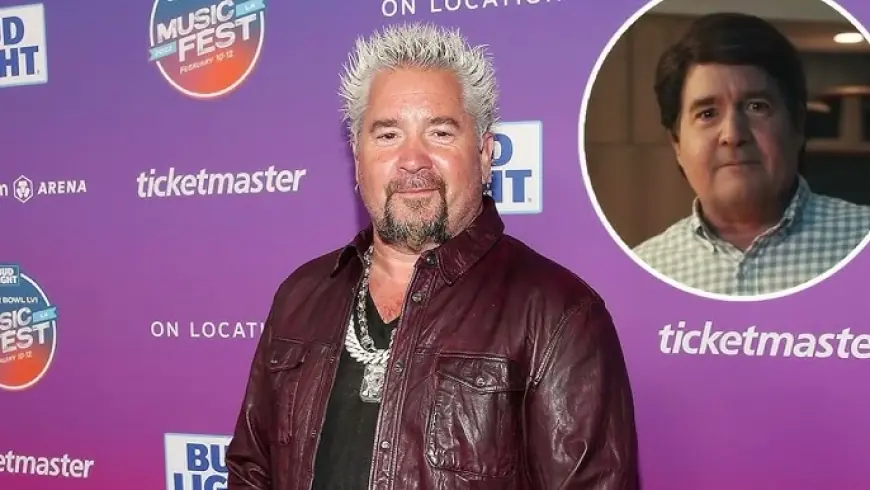
Guy Fieri surprised fans this week by appearing with a clean-shaven face and a neat brunette hairstyle that replaces his longtime frosted spikes and goatee. The shift stands out because his look has been a core part of his on-screen identity for years, making any sudden change feel like a signal that something bigger is underway.
The makeover first surfaced in a short social post tied to his birthday, where he leaned into an intentionally ordinary vibe with a button-down shirt and khakis. Since then, the timing has lined up with a high-visibility advertising rollout, turning what could have been a personal style experiment into a broader pop-culture moment.
Further specifics were not immediately available.
The makeover: from signature spikes to a deliberately “everyday” style
The most noticeable change is the hair: darker, smoother, and side-parted, designed to read as understated rather than stage-ready. Pair that with the missing facial hair and the overall effect is a version of Fieri that looks intentionally unfamiliar, even if the mannerisms still feel recognizable.
That contrast is what made the reaction so loud. Fans aren’t just reacting to a haircut. They’re reacting to a famous persona stepping out of its visual shorthand, the same way a mascot changing colors would draw attention even if nothing else changed.
Some specifics have not been publicly clarified.
Why the timing points to a big-game ad roll forward
The new look is arriving as Super Bowl LX approaches, and the change is being framed as part of a commercial concept rather than a permanent rebrand. Fieri is associated with a Bosch campaign that plays on the joke of him trying to blend in as an average guy, which only works if he looks unlike himself at first glance.
That kind of setup is common for major ads tied to the game: a simple visual hook, a clear before-and-after, and a punchline that lands in seconds. The makeover’s speed and completeness fit that pattern, suggesting the transformation is serving the storyline as much as any personal style preference.
How transformations like this are usually built on set
For high-profile commercials, dramatic makeovers are often assembled through a mix of practical styling and production polish. Hair can be dyed, temporarily darkened, or replaced with a piece designed to hold its shape under hot lights. Facial hair can be removed for continuity, and makeup teams can soften or sharpen features to sell the character quickly.
Lighting, wardrobe, and color grading do the rest. Even when the goal is to look normal, the image is still carefully engineered so the change reads instantly to a viewer scrolling fast or watching from across a room.
Who it affects: viewers, brands, and the business around a recognizable persona
For viewers, the impact is mostly emotional and social: surprise, jokes, and a rush to share side-by-sides of the familiar look versus the new one. That attention is part of the currency of modern celebrity, and visual changes travel fast because they are easy to understand without context.
For brands, the moment is a reminder that identity can be a marketing tool. A long-established look gives a campaign something to subvert, and a temporary transformation can generate conversation well before a full ad ever airs. For production crews, stylists, and the teams supporting big campaigns, it also shows how much of a public figure’s image can be adjusted quickly when the goal is a clear, shareable concept.
Super Bowl LX is set for Feb. 8, 2026, at Levi’s Stadium in Santa Clara, and the clearest next milestone is the full commercial’s expected debut during the game, when audiences will finally see how the makeover is used in the complete storyline.