

























Marvel’s New Show Combines Atlanta’s Vibe with Studio Intrigue

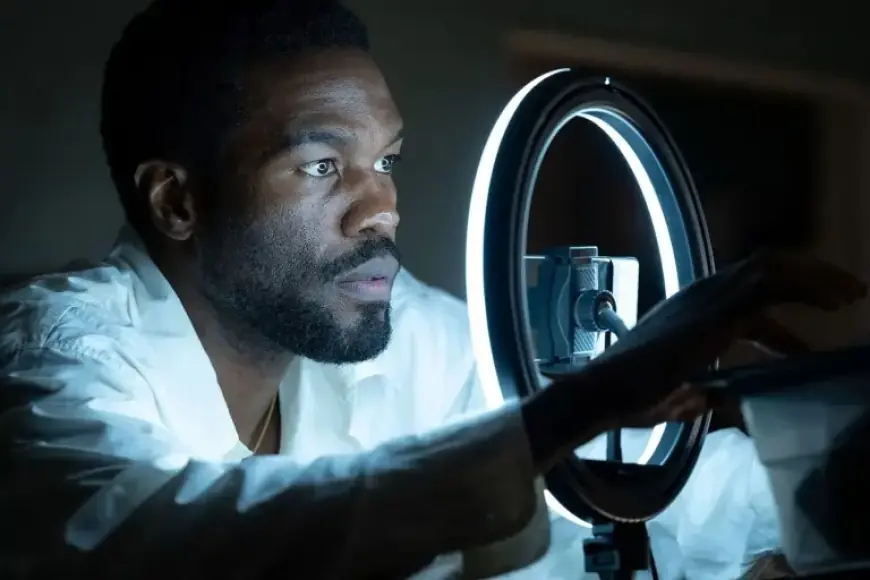
Marvel’s latest series, “Wonder Man,” departs from traditional superhero narratives, embracing a unique mix of Atlanta’s vibe and studio intrigue. This fresh approach offers a comedic perspective on the struggles of Hollywood rather than a typical caped crusader storyline. Central to the series is Simon Williams, portrayed by Yahya Abdul-Mateen II, a Haitian immigrant striving to make a name for himself as an actor.
The Journey of Simon Williams
Simon’s character faces significant challenges in his pursuit of success. Rather than showcasing his powers, the series highlights his journey in the entertainment industry, packed with self-sabotage and moments of intense pressure. The show begins with Simon getting sidelined from a small role in a mock episode of “American Horror Story” due to his overly critical nature.
Simon’s fortunes shift when he meets Trevor Slattery, played by Ben Kingsley. Trevor is a former star who finds himself in disgrace after embodying the terrorist The Mandarin in “Iron Man 3.” This encounter leads Simon into a comedic partnership as Trevor helps him navigate the daunting world of auditions and acting.
A Comedic Exploration of Hollywood
The series highlights the challenges of a struggling actor—in Simon’s case, it’s compounded by an ordinance that prevents individuals with superpowers from working in entertainment. Simon desperately tries to keep his abilities hidden while contending with family pressures and career obstacles. He experiences a wide range of encounters, each bringing humor and insight into the industry’s harsh realities.
- Simon auditions for various roles.
- Trevor’s commentary on the industry exemplifies the challenges actors face.
- Simon’s powers manifest when he’s emotionally stressed, serving as a metaphor for societal discrimination.
Marvel’s New Direction
“Wonder Man” is part of Marvel’s evolving approach to storytelling in television. The studio is stepping away from larger character-centric spin-offs in favor of more intimate narratives featuring lesser-known heroes. This evolution echoes the tone of Marvel’s earlier Netflix collaborations, which focused on dark, character-driven storylines.
Marvel television head Brad Winderbaum has emphasized the intention of creating self-contained stories. This strategy aims to engage viewers without requiring extensive knowledge of existing films or shows, moving away from the narrative clutter that has characterized previous phases.
Reception and Future Implications
Initial responses indicate that while “Wonder Man” has its flaws—such as pacing issues and the dynamic between Simon and Trevor—the show remains engaging. Auditorily, Abdul-Mateen II’s performance stands out, presenting a relatable character who is grounded in reality, rather than an archetypal superhero.
Ultimately, while “Wonder Man” may not single-handedly revive Marvel’s cinematic universe, it represents a thoughtful endeavor into storytelling that prioritizes individual character journeys and the authentic experiences of those in Hollywood.
As Marvel navigates its new phase, “Wonder Man” serves as a step towards redefining the superhero narrative, exploring themes of struggle, identity, and the pursuit of dreams in a challenging industry. This shift may not only resonate with viewers but also establish a new standard for future Marvel projects.