Alex Pretti Shooting: What We Know About the Minneapolis ICE Encounter and the Investigations Underway

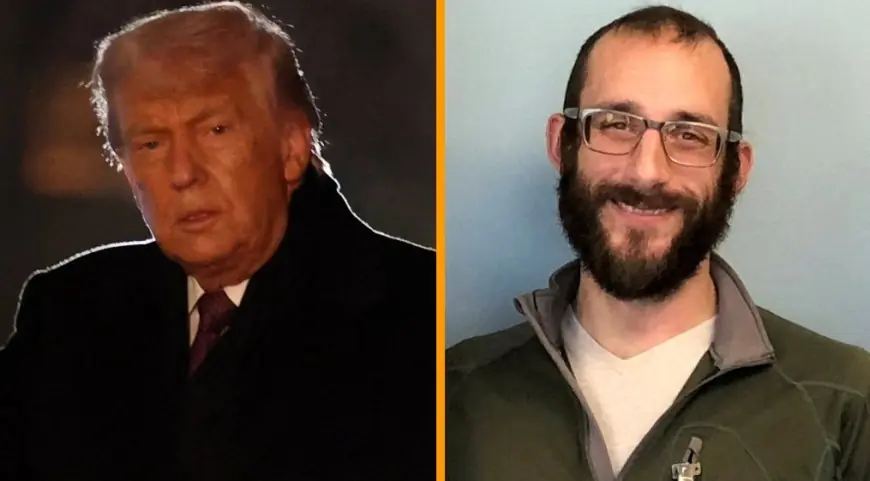
As of Tuseday, January 27, 2026 ET, the Alex Pretti shooting in Minneapolis has become a national flashpoint in debates over federal immigration enforcement, use of force, and Second Amendment rights. Alex Jeffrey Pretti, 37, an ICU nurse and U.S. citizen, was fatally shot during a federal operation near 26th Street and Nicollet Avenue, prompting multiple investigations and a court fight over evidence preservation.
Public anger has been fueled by widely shared bystander video that appears to show Pretti holding a phone and raising an empty hand during the confrontation, while officials have emphasized that he was lawfully carrying a concealed handgun. The gap between what the video appears to show and what some early official statements suggested remains at the center of the controversy.
What happened near 26th Street and Nicollet Avenue
Officials have said the encounter unfolded during an immigration enforcement operation in south Minneapolis on Saturday morning, January 24, 2026 ET. Local authorities have stated that Pretti was shot near 26th Street and Nicollet Avenue and was transported to Hennepin County Medical Center, where he was pronounced dead.
A federal notice to Congress described two federal officers, identified as a Border Patrol agent and a Customs and Border Protection officer, as firing their weapons during the encounter. The same notice identified the officers’ sidearms as Glock pistols. The exact number of rounds fired, as well as the precise sequence of events immediately before shots were fired, has not been publicly confirmed through a final investigative report.
In the hours after the shooting, Minneapolis officials requested Minnesota National Guard support, describing local staffing strains and heightened safety concerns tied to the scale of federal activity in the city. The Guard presence was framed by city leaders as support for local public safety operations, including around the shooting location and other posts as needed.
What is confirmed and what remains disputed
Confirmed points include that Pretti was carrying a firearm legally under Minnesota law, and that two federal officers discharged their weapons. City and police leaders have publicly characterized Pretti as a lawful gun owner with a permit to carry.
The key disputed issue is not whether Pretti had a gun, but whether he reached for it or posed an imminent threat at the moment he was shot. The bystander video circulating online appears not to show him drawing the weapon before the shots, and it appears to show him holding a phone and being pepper-sprayed during the struggle. Officials have not released a complete, frame-by-frame accounting that reconciles video, body-worn camera footage, and forensic evidence into a single authoritative timeline.
A full timeline has not been confirmed. Further specifics were not immediately available.
One detail that has drawn particular scrutiny is evidence handling at the scene. Minnesota officials have publicly argued that state investigators were blocked from promptly accessing key evidence, and state authorities have gone to court to prevent any destruction or alteration of materials connected to the shooting.
How these investigations typically work
In officer-involved shootings, investigators usually work from multiple streams of evidence: body-worn camera footage, dispatch and radio traffic, witness statements, medical and autopsy findings, and forensic testing such as ballistics and gunshot residue. A key procedural pillar is chain of custody, which tracks how physical evidence is collected, packaged, stored, and transferred so investigators and courts can verify it was not altered.
Jurisdiction can be complicated when federal officers are involved. State investigators can examine potential violations of state law, while federal agencies conduct internal reviews and may pursue federal criminal or civil rights inquiries. Prosecutorial decisions often hinge on whether investigators can establish, through admissible evidence, what an officer perceived in the moment and whether the use of deadly force met the applicable legal standard.
Political, legal, and community fallout — and the next milestones
The Alex Pretti shooting has intersected with broader unrest surrounding aggressive immigration enforcement activity in Minnesota, including the earlier killing of Renée Nicole Good in Minneapolis on January 7, 2026 ET. It has also intensified a rare political split: gun rights groups have publicly defended the idea that permit holders can lawfully carry while protesting and criticized broad claims that being armed near law enforcement is itself justification for lethal force.
Stakeholders facing immediate impact include Minneapolis residents and immigrant communities navigating heightened federal presence, as well as healthcare workers and civic groups who say the incident has deepened fear and instability. Federal agents and local law enforcement are also directly affected, as operational tactics, body-camera expectations, and coordination protocols come under renewed scrutiny amid protests and safety concerns.
Several concrete milestones are now on the calendar or in motion:
-
February 2, 2026 ET: A congressional deadline set by House Judiciary Democrats seeking Justice Department records tied to the Pretti and Good investigations.
-
February 10 and February 12, 2026 ET: Scheduled testimony appearances involving the heads of ICE, Customs and Border Protection, and U.S. Citizenship and Immigration Services before congressional committees.
-
March 3, 2026 ET: A scheduled Senate Judiciary Committee appearance by Homeland Security Secretary Kristi Noem.
Separately, Minnesota’s evidence-preservation lawsuit and any resulting court orders will shape what investigators can access and when. In the days ahead, the most verifiable next step to watch is the release of additional official investigative materials — including any clarified timeline, forensic findings, and determinations about evidence custody — alongside sworn testimony in the scheduled hearings.