
























Investigators: DC Midair Collision Stems from Ignored Traffic Warnings

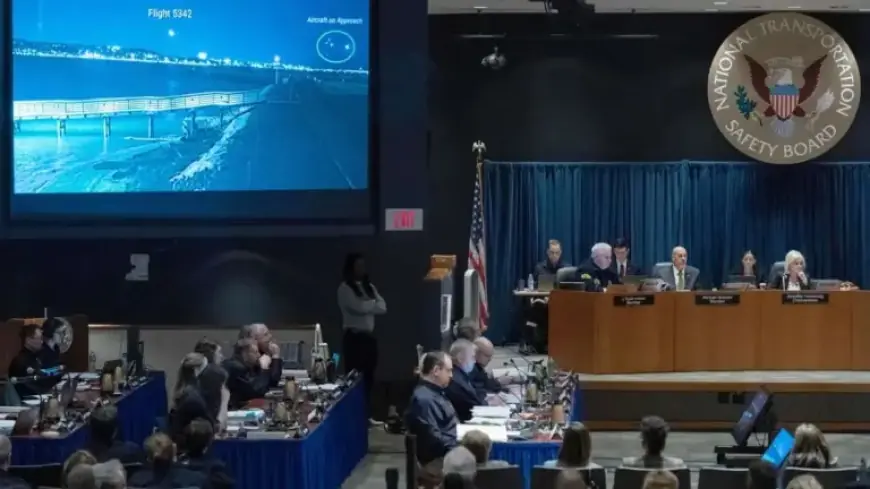
The National Transportation Safety Board (NTSB) held a hearing focused on systemic failures that led to a tragic midair collision. This incident, which occurred near Reagan National Airport, involved an American Airlines jet and an Army Black Hawk helicopter, resulting in the deaths of 67 individuals, including numerous members of the figure skating community.
Key Factors in the Collision
Testimonies revealed alarming issues that contributed to the crash, highlighting overwhelmed air traffic controllers and a lack of timely warnings about other aircraft. NTSB board member Todd Inman emphasized that concerns had been raised for over a decade but remained unaddressed.
- Date of Collision: January 2025
- Location: Near Reagan National Airport, Washington, D.C.
- Total Fatalities: 67
Systemic Issues and Missed Warnings
According to NTSB Chairwoman Jennifer Homendy, the FAA failed to recognize the hazards associated with the helicopter routes at the time of the crash. The organization had not updated pilots’ charts to include critical information about these routes, which left pilots unaware of significant risks.
Investigators noted that air traffic controllers were overwhelmed prior to the collision. In just minutes, aircraft traffic surged, complicating the controllers’ ability to maintain situational awareness. The volume escalated to as many as 12 aircraft shortly before the incident, increasing the risk significantly.
Families Demand Accountability
Family members of the victims were present, expressing their grief and urging for actionable changes. Kristen Miller-Zahn, who lost her brother in the tragedy, criticized the failure to act on prior warnings, stating that negligence directly led to the loss of lives.
FAA’s Response and Future Changes
The FAA has committed to making changes, including a permanent revision of airspace regulations to prevent aircraft from sharing the same airspace around the airport. In a proactive measure, they have reduced the number of hourly arrivals from 36 to 30 and increased the number of certified controllers.
- New Regulations: Permanent airspace changes to keep planes and helicopters separate.
- Staffing Increase: 22 certified controllers currently, with eight additional controllers in training.
Future actions by Congress and the Army will be crucial to implementing recommendations from the NTSB. These changes aim to enhance safety and reduce the likelihood of similar tragedies occurring in the future.