























German Soccer Exec Calls for World Cup Boycott Amid Street Tragedies

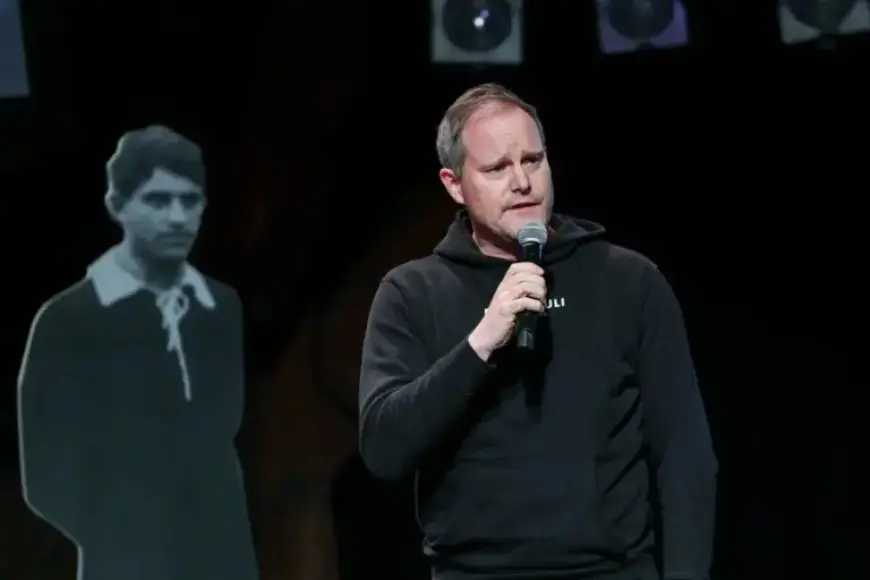
Oke Goettlich, president of FC St. Pauli and a member of the German Football Association’s (DFB) executive committee, has sparked a significant dialogue regarding a potential boycott of the 2026 FIFA World Cup. This tournament will take place in the United States, Canada, and Mexico.
Call for Boycott Amid Political Turmoil
In a recent interview with the Hamburger Morgenpost, Goettlich questioned the motivations behind previous Olympic boycotts, citing heightened concerns about human rights and political situations today. He stated, “The potential threat is greater now than it was then. We need to have this discussion.”
Criticism from DFB Leadership
The response to Goettlich’s remarks has not been favorable. DFB President Bernd Neuendorf labeled his comments as premature and irrelevant, noting that the DFB considers such discussions misguided at this time.
Neuendorf emphasized that Goettlich represents only a single perspective within the DFB executive committee. He stated, “We discuss these issues within our committees first and then form an opinion.”
St. Pauli’s Political Stance
Goettlich has been at the helm of FC St. Pauli since 2014. The club is known for its left-wing and politically active stance in German football. His outspoken nature is reflected in his views on the intersection of football and politics.
Concerns for Fans and Safety
Goettlich urged fans to consider the risks associated with attending the World Cup, referencing travel advisories issued by Germany’s Foreign Office for certain U.S. regions.
- Concerns about immigrant enforcement actions leading to fatalities.
- Uncertainty surrounding political developments, including issues related to Greenland.
Furthermore, former FIFA president Sepp Blatter supported Goettlich’s concerns. He cited Swiss lawyer Mark Pieth’s warnings about fan safety, recommending supporters avoid traveling to the tournament altogether.
Political Context of Football
Goettlich challenged the narrative that football should be separate from politics, asserting that such an idea is outdated. He pointed to previous controversies, such as the 2018 World Cup in Russia, as evidence of the consequences of ignoring political realities.
He clarified that a boycott would be a protest aimed at the U.S. government and not its citizens. “This is about standing with those who are threatened by the Trump administration,” he stated. Goettlich expressed the importance of involving civil society in the U.S. in these discussions, advocating for open dialogue with individuals affected by current conditions.
The Road Ahead
As the conversation evolves, Goettlich emphasizes the need for listeners among those most impacted. He encourages deeper engagement and understanding of the political climate leading up to the World Cup.