






















Doomsday Clock Nears Midnight: Atomic Scientists Make Historic Adjustment

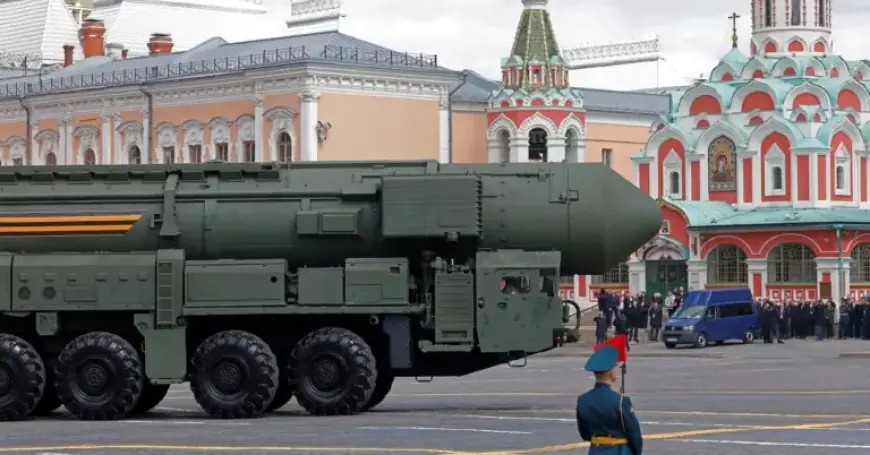
The Bulletin of the Atomic Scientists has adjusted the famed Doomsday Clock closer to midnight, now set at 85 seconds. This marks the closest point ever reached, surpassing last year’s position by four seconds. The change reflects escalating concerns about global nuclear threats, artificial intelligence, and climate change.
Doomsday Clock: An Ominous Adjustment
On January 27, 2025, the organization cited aggressive behaviors from Russia, China, and the United States as significant factors contributing to increased global danger. Ongoing conflicts, particularly in Ukraine and the Middle East, alongside rising AI risks, were central to this alarming decision.
Key Factors Influencing the Clock
- Fraying nuclear arms control
- Escalating tensions in international conflicts
- AI’s potential dangers in military applications
- Impact of climate change
According to Alexandra Bell, nuclear policy expert and CEO of the Bulletin, effective public leadership is lacking. This absence of direction from governments worldwide pushes humanity closer to existential threats. “A shift toward neo-imperialism will only serve to push the clock toward midnight,” Bell stated.
Status of Nuclear Treaties
The last significant nuclear arms treaty between Russia and the United States, known as the New START treaty, is set to expire on February 5, 2026. President Vladimir Putin proposed extending the treaty’s limits on deployed nuclear warheads, capped at 1,550, but a formal response from U.S. President Donald Trump remains pending. This uncertainty underscores the fragile state of international arms control.
Further complicating the situation, Trump ordered the military to prepare for nuclear testing, halting a moratorium that lasted over three decades. This move, coupled with Russia’s ongoing military actions, raises significant alarm about the resurgence of global nuclear testing.
Global Tensions and Militarization
The international landscape is fraught with tensions as Russia continues its aggressive actions in Ukraine while engaging in enhanced military capabilities in Belarus. Additionally, the ongoing conflicts between India and Pakistan, along with escalating threats in the Asian region, add to the precarious climate. The situation is made worse by disinformation spread through technology and social media platforms, as noted by 2021 Nobel Peace Prize winner Maria Ressa.
Conclusion
The Bulletin of the Atomic Scientists’ adjustment of the Doomsday Clock serves as a wake-up call regarding the urgency of global risks. As geopolitical tensions rise and technological advancements pose additional threats, the collective responsibility of world leaders and citizens is to work towards reducing the dangers we face. The clock now stands as a stark reminder of how close we are to potential disaster.