





















Gov. Abbott Halts H-1B Visa Petitions at Texas Universities and State Agencies

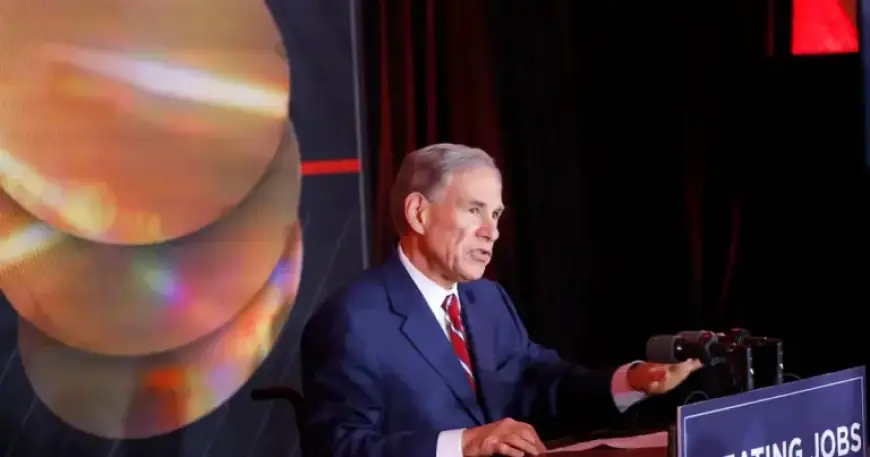
Texas Governor Greg Abbott has mandated a temporary halt on all new H-1B visa applications at public universities and state agencies. This directive, announced on Tuesday, prohibits these institutions from initiating or submitting any new H-1B visa petitions until May 31, 2027, unless authorized by the Texas Workforce Commission.
Purpose of the H-1B Visa Freeze
Governor Abbott’s decision aims to provide lawmakers time to establish guidelines for the H-1B visa program and allow the federal government to enforce necessary reforms. This program has come under increasing scrutiny from both state and federal officials, particularly concerning how various employers, including educational institutions and healthcare providers, sponsor foreign workers.
Identifying Job Gaps for Texans
Abbott expressed a desire to analyze the specific roles occupied by H-1B visa holders that could potentially be filled by Texans. In his letter to state agency heads, he indicated concerns about employers making insufficient efforts to recruit American workers before opting for foreign talent.
Impact on Texas Educational Institutions
- Dallas Independent School District (DISD): A major sponsor of H-1B visas with 230 active petitions as of September 30, 2025.
- UT Southwestern Medical Center: The second-largest sponsor in Texas, holding 228 H-1B visas.
- Texas A&M University: Currently sponsors 214 H-1B visas.
- MD Anderson Cancer Center: Holds 171 H-1B visas.
- University of Texas at Austin: Sponsors 169 H-1B visas.
Other Notable Institutions
Additionally, several Dallas-Fort Worth universities are significant H-1B visa sponsors:
- University of Texas at Dallas: 73 visas
- University of Texas at Arlington: 57 visas
- University of North Texas: 42 visas
- Southern Methodist University: 31 visas
Data Collection Requirements
Governor Abbott’s directive also requires state agencies to report their H-1B visa sponsorship details to the Texas Workforce Commission by March. This includes the number of current sponsors, the countries of origin for visa holders, the job classifications, and evidence demonstrating efforts to hire qualified Texans for those roles.
In the lead-up to this directive, Abbott had requested Texas A&M University System campuses report a detailed list of all H-1B employees, including their job roles and countries of origin.
Criticism and Future Developments
Abbott’s statements reflect a broader conversation around the need for reform within the H-1B program. He has openly questioned the necessity of H-1B holders working in Texas public schools, although he acknowledged that certain specialized skill sets might warrant exceptions.
This pause on H-1B visa applications and the ensuing analysis could significantly impact Texas public universities and agencies as they navigate the evolving landscape of immigration and employment law.