

























Doomsday Clock 2026 Update: Apocalypse Nearer Than Ever

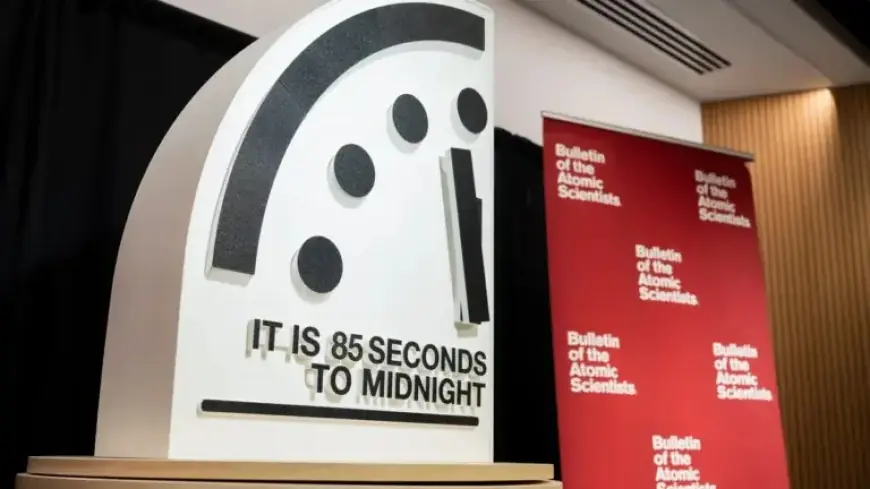
As humanity confronts unprecedented threats, the Doomsday Clock has been reset to its closest point to midnight. Currently, it stands at 85 seconds to midnight, marking a troubling advancement of four seconds since the last assessment in 2025. This alarming adjustment reflects a complex interplay of global crises, including nuclear risks, climate change, and geopolitical tensions.
Doomsday Clock Overview
The Doomsday Clock, established by the Bulletin of the Atomic Scientists, symbolizes how near humanity is to self-destruction. Each January, scientists evaluate existential threats and adjust the clock accordingly. Midnight represents complete annihilation, while the hands moving closer indicate rising dangers.
Current Time on the Clock
- Current Setting: 85 seconds to midnight
- Previous Setting: 89 seconds to midnight in 2025
- Established: The clock was first introduced in 1947
Reasons for the Adjustment
This year’s adjustment was attributed to a widespread failure of leadership and a decline in global cooperation. Alexandra Bell, the president of the Bulletin, emphasized that catastrophic risks are escalating, while proactive collaboration diminishes.
Factors Contributing to the Clock’s Position
- Increased nuclear tensions and conflicts among nuclear powers.
- Environmental degradation due to climate change.
- The rise of autocratic leadership worldwide.
- The threats posed by misinformation, artificial intelligence, and biotechnology.
Call to Action
The Bulletin underscores the need for immediate action from national leaders. They must prioritize diplomatic dialogues to alleviate threats, especially regarding nuclear arsenals. Citizens are urged to hold leaders accountable to provoke change and collective action.
Potential Courses of Action
- Resuming U.S.-Russia dialogues to limit nuclear arsenals.
- Engaging in international agreements to manage artificial intelligence risks.
- Promoting renewable energy solutions to combat climate challenges.
Despite the current existential pressures, the Bulletin of the Atomic Scientists maintains that reversing the trajectory is not beyond reach. They advocate for smart and swift interventions to pull humanity back from the brink. Collective responsibility and cooperative efforts are critical to navigating these perilous times effectively.