

























Arsenic Discovered in 28 of 46 Candy Products, Florida Reports

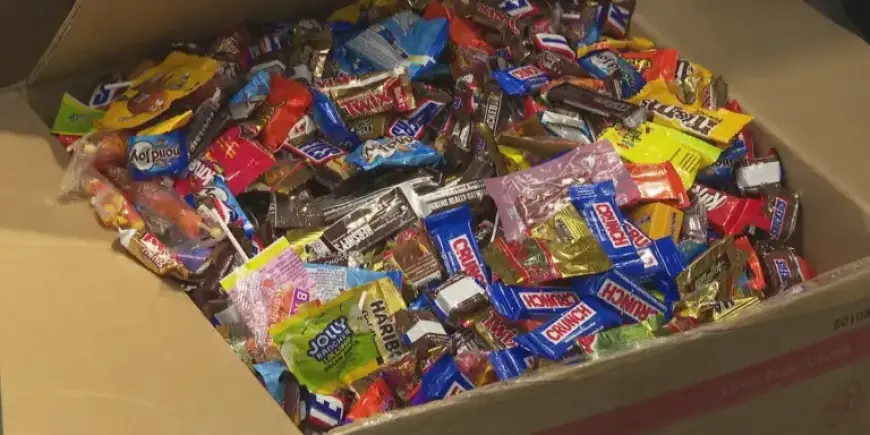
Florida health officials recently reported significant findings regarding candy safety. Arsenic was discovered in 28 of the 46 candy products tested. The state conducted this analysis under the Healthy Florida First initiative, as announced by Governor Ron DeSantis.
Details of the Candy Testing Initiative
The Florida Department of Health carried out tests on candy from 10 companies. Four well-known brands included in the test were Jolly Ranchers and Kit Kats. These tests are part of a broader aim to inform families about the safety of commonly consumed products.
Governor DeSantis emphasized the need for transparency, stating that not all products in supermarkets are created equal regarding healthiness. This initiative is designed to help parents make informed choices about the candy they purchase.
Related Findings on Infant Formula
Earlier this month, Florida’s health department examined 24 infant formula products from seven major brands. This testing revealed elevated levels of heavy metals, including mercury, cadmium, and arsenic. Such findings raise concerns about children’s exposure to harmful substances.
Public Safety and Accountability
First Lady Casey DeSantis highlighted the importance of product safety and consumer confidence. She noted that parents should trust that grocery store items are safe for their children.
The detection of arsenic in candy products has led to further assessments of potential exposure risks, particularly regarding children’s health. This candy testing is an integral part of Florida’s Healthy Florida First initiative, which aims to ensure safe, transparent food systems and rebuild trust in public health.
Industry Response to Testing Results
The National Confectioners Association reacted to Florida’s findings, arguing that chocolate and candy are safe for consumption. They criticized the state’s announcement as misleading, asserting it lacks transparency and relies on unsourced claims.
This response emphasized that candy has been enjoyed safely for generations. The association pointed out that the FDA is working on action levels to manage dietary exposure to naturally occurring elements like arsenic.
Conclusion
The recent findings from Florida’s candy testing have sparked significant discussion regarding food safety regulations. As these results are made public, both consumers and industry stakeholders will remain vigilant about the health implications surrounding confectionery products.
For more updates on food safety and health initiatives, visit Filmogaz.com.