

























Minneapolis Killings Spotlight Body Camera Usage: NPR

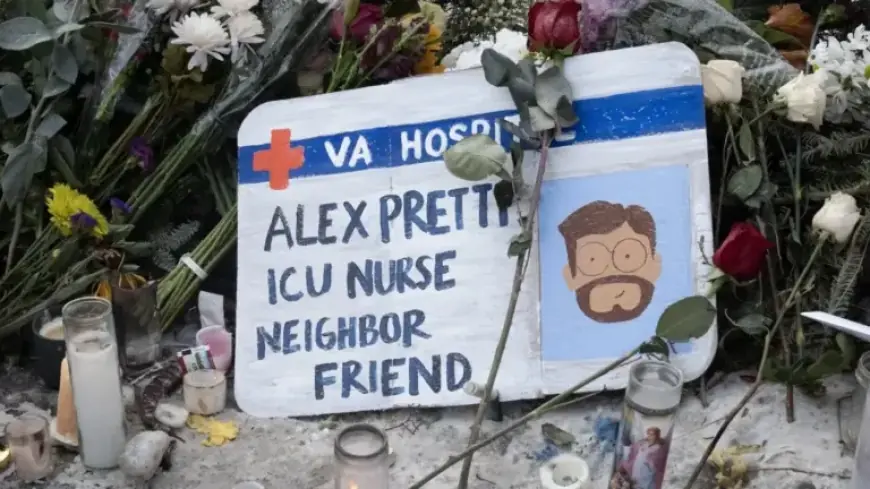
Recent tragic events in Minneapolis have drawn renewed attention to federal immigration enforcement practices, particularly the absence of body-worn cameras (BWCs) among agents. The incidents include the fatal shootings of two U.S. citizens, Alex Pretti and Renee Macklin Good, during confrontations with Border Patrol agents.
Minneapolis Killings and Body Camera Usage
On January 25, 2023, a memorial for ICU nurse Alex Pretti was set up in Minneapolis after he was killed in a brief altercation with immigration officers. Pretti’s death, along with that of Good, has led to significant backlash against the tactics of Immigration and Customs Enforcement (ICE) and Customs and Border Protection (CBP).
Incidents and Public Outcry
Following the shootings, large crowds of protesters gathered, demanding accountability. Critics are questioning the methods used by immigration authorities for crowd control and arrests. The rapid deployment of approximately 2,000 immigration officers in Minneapolis, as part of Operation Metro Surge, has incited further scrutiny.
Body Camera Controversy
The lack of standardized body camera usage has emerged as a focal point of criticism. Federal law does not require ICE and CBP to equip their officers with BWCs. As a result, many agents lack proper training and access to these devices, which are essential for documenting interactions.
- ICE has no body cameras available in the Minneapolis area.
- Samuel Olson, a local ICE official, reported that equipping every officer would need around 2,000 BWCs.
- The deployment would take about 180 days for shipping, installation, and training.
CBP has slightly more structure regarding body cameras. During Operation Metro Surge, officers who are equipped and trained must keep BWCs on hand for operations, but it is unclear how consistently this is followed.
Legislative Efforts and Future Considerations
In 2021, Congress mandated the development of a pilot program for body cameras within ICE, with the aim of nationwide implementation by September 2025. However, after the change in administration in 2025, support for such initiatives waned, leading to inaction on the pilot program.
To address the concern over body camera availability, a House spending bill proposes $20 million for BWCs for ICE and CBP. However, while this funding is set, there is no explicit requirement for their use, leaving the current policy in limbo.
Conclusion
The killings of Alex Pretti and Renee Macklin Good highlight critical issues surrounding immigration enforcement practices, including the urgent need for enhanced supervision mechanisms like body-worn cameras. As public sentiment grows against the lack of accountability, pressure mounts for legislative changes to ensure the protection of citizens during these operations.