






















Kansas City Chiefs Enter a Reset Year: Eric Bieniemy Returns, Travis Kelce Steps Back, and Andy Reid Promises Change

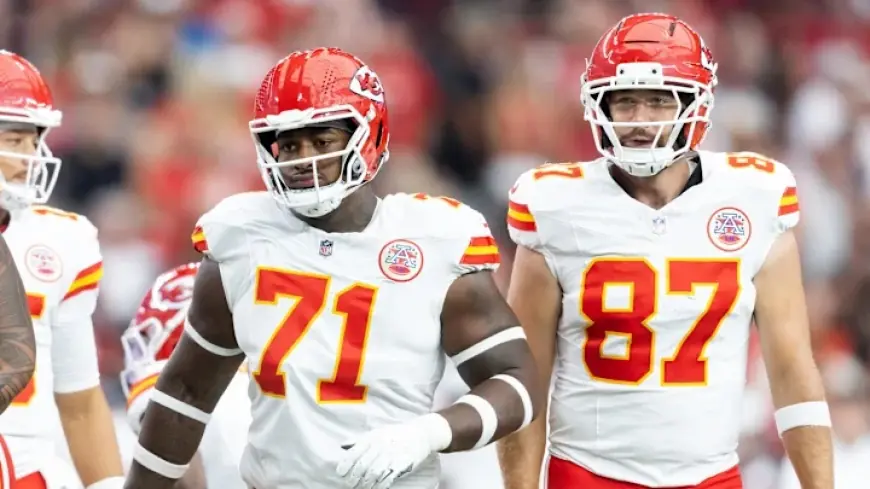
On Tuesday, January 27, 2026, the Kansas City Chiefs’ offseason took clearer shape: Andy Reid is staying, the coaching staff is being reshuffled, and the franchise is openly treating 2025 as a hard lesson rather than a one-off fluke. For fans, the stakes aren’t abstract—this is about whether the team can reboot fast enough to keep Patrick Mahomes’ prime from slipping into “what if” territory.
The Chiefs aren’t coming off a quiet down year. They’re coming off a rare collapse, the kind that forces uncomfortable decisions and accelerates big questions that usually get postponed.
Kansas City Chiefs coaching changes: Bieniemy is back, and the offense is getting a different voice
The headline move is the return of Eric Bieniemy as offensive coordinator for 2026, sliding into the spot vacated by Matt Nagy as Kansas City rebuilds its offensive identity. Reid has framed the broader shake-up as healthy—an acknowledgment that the staff can’t just rerun the same plan and expect the same results.
This isn’t a full teardown, and it isn’t a public blame game. It’s closer to a controlled reset: multiple staff roles have turned over since the season ended, and the Chiefs are signaling that “continuity” won’t be used as a shield after a 6–11 finish. Reid’s message has been consistent: every phase is under review, not just the offense.
What to watch: whether Bieniemy’s return changes the weekly rhythm—more edge in accountability, faster adjustments in-game, and a clearer identity when the offense is forced to play without its usual margin for error.
Mahomes’ rehab, the backup QB question, and why the Chiefs’ margin disappeared
Kansas City’s 2025 season didn’t end with one bad afternoon—it frayed over weeks, then snapped in mid-December when Mahomes suffered a torn ACL that ended his year. By then, the Chiefs were already sliding, and the injury turned a disappointing season into a structural one: it forced the team to play out the string and re-evaluate what’s actually sturdy on the roster.
The quarterback room is now an offseason storyline by necessity. If Mahomes is tracking toward a normal return timeline, Kansas City still needs a credible plan for spring and summer reps, plus a reliable in-season safety net. The final week of the season offered a preview of how quickly things change without Mahomes: backups took meaningful snaps, young players were pushed into bigger roles, and the team’s offense lived on thin opportunities rather than sustained control.
The bigger issue is what the 6–11 record exposed: the Chiefs’ margin for error wasn’t just smaller—it was gone. In the Reid era, Kansas City has often won with solutions. In 2025, it looked like they ran out of them.
What to watch: whether the front office prioritizes stability behind Mahomes (a veteran backup and a more resilient protection plan) or treats quarterback depth as secondary to broader roster upgrades.
Travis Kelce, the Pro Bowl withdrawal, and the leadership void Kansas City can’t ignore
Travis Kelce opting out of the 2026 Pro Bowl has poured gasoline on retirement talk, even without a formal announcement. He’s 36, the wear and tear is real, and this season ended without the familiar January runway that usually softens the grind. The Pro Bowl is an exhibition, but the decision lands differently when it comes from an aging superstar after a losing season.
Kelce remains productive and historically decorated, yet the question hovering over the Chiefs is bigger than one player: if the locker room’s emotional center starts stepping away, who becomes the stabilizer during a reset? Kansas City has leaders, but not every leader has Kelce’s ability to hold the room together when the offense is stalling and the outside noise gets loud.
There’s also a football reality underneath the headlines. The Chiefs’ offense has been built around trust throws, timing, and option routes that depend on elite chemistry. If Kelce’s role changes—whether by retirement or gradual reduction—the Chiefs will need more than a replacement body. They’ll need a new structure.
What to watch: whether Kelce makes his intentions clear before the heart of roster-building season, and whether the Chiefs treat tight end as a “draft-and-develop” need or a win-now priority.
What the Kansas City Chiefs are trying to prove in 2026
The Chiefs’ brand has been dominance and inevitability. 2025 replaced that with something unfamiliar: doubt. Even Kansas City’s own civic mood shifted—local chatter around the AFC Championship weekend captured the oddness of the Chiefs not being part of the conversation.
Now comes the real test. Reboots are easy to announce and hard to execute, especially when expectations don’t drop just because the record did. Kansas City is betting that health, staff adjustments, and a sharper offseason plan can restore the edge quickly.
What to watch next, in plain terms:
-
How Mahomes’ rehab looks as football activity ramps up in the spring and summer
-
Whether Bieniemy’s return produces a tangible change in offensive identity
-
Kelce’s timeline for a decision, and how the roster plan shifts around it
-
Defensive priorities—especially pass rush and late-down stops—where small weaknesses have a way of becoming big losses
The Kansas City Chiefs aren’t rebuilding in the traditional sense. They’re trying to restart the engine while the car is still supposed to be racing for a title.