























Winter Storm Driven by Global Warming Challenges U.S. Disaster Response

A significant winter storm has impacted the eastern United States, leaving over 600,000 homes and businesses without power and resulting in at least 20 fatalities. This severe weather event is a crucial challenge for the Federal Emergency Management Agency (FEMA) under the Trump administration, amid ongoing debates about the agency’s future. As climate change continues to intensify weather events, the storm illustrates the pressing need for effective disaster response.
Winter Storm Overview
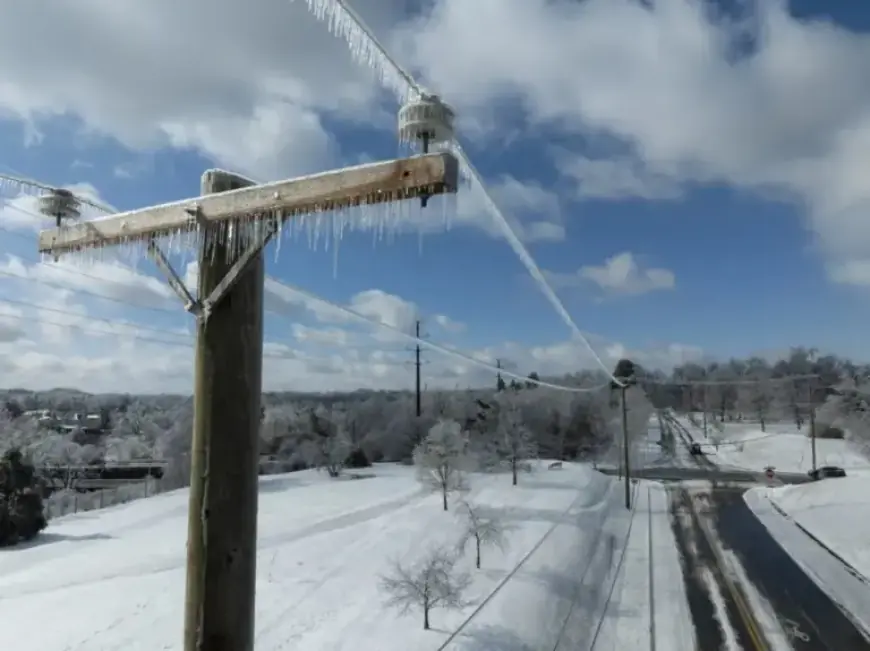
The snowstorm affected regions from Arkansas to Massachusetts, where some areas experienced nearly two feet of snowfall. The storm also caused widespread ice accumulation in Southern states, particularly Texas and North Carolina, leading to fallen tree limbs and significant power outages.
- Number of households without power: 600,000+
- Snow accumulation in various states: Up to 24 inches
- Confirmed fatalities: At least 20
FEMA’s Role Under Scrutiny
The current administration has faced criticism regarding its handling of FEMA. The agency has already lost thousands of employees, which raises concerns about its ability to manage large-scale disasters effectively. Past disaster declarations include 12 states, primarily in the South.
Experts highlight the declining capacity of FEMA, which has been questioned by President Trump, who has suggested eliminating the agency. This internal strife coincides with increasing natural disasters exacerbated by climate change, presenting a formidable challenge for emergency management.
Impact of Climate Change on Winter Weather
Scientific research indicates that global warming is reshaping weather patterns, resulting in more disruptive winter storms. Factors such as rapid Arctic warming and changes in ocean temperatures have been linked to severe cold spells and snowstorms.
- Increased moisture in the atmosphere contributes to stronger storms
- Arctic sea ice loss alters jet stream patterns, affecting winter weather
- Historical data show a significant increase in extreme weather events
Ongoing Risks After the Storm
Emergency management experts warn that risks remain after the storm has passed. Residents face threats of traffic accidents, hypothermia, and carbon monoxide poisoning from alternative heating sources. Southern states are particularly vulnerable due to extended power outages.
Regional Responses to the Crisis
In Louisiana, Mississippi, and Tennessee, authorities reported widespread damage and ongoing recovery efforts. Tree damage and downed power lines have complicated the restoration of services. Local officials are coordinating with FEMA to provide additional resources, including generators and warming centers.
In North Carolina, the governor expressed concerns about the long-term impacts of the storm on recovery, especially with wildfire season approaching.
The repercussions are ongoing, with many areas still facing harsh conditions, potentially impacting infrastructure and public safety.
Conclusion
This winter storm not only tests FEMA’s current capabilities but also serves as a stark reminder of the growing challenges posed by climate change. As weather disasters become more frequent and intense, effective emergency management will be crucial for protecting communities across the United States.