“Beware the Silent Killer Lurking After Snowstorms”

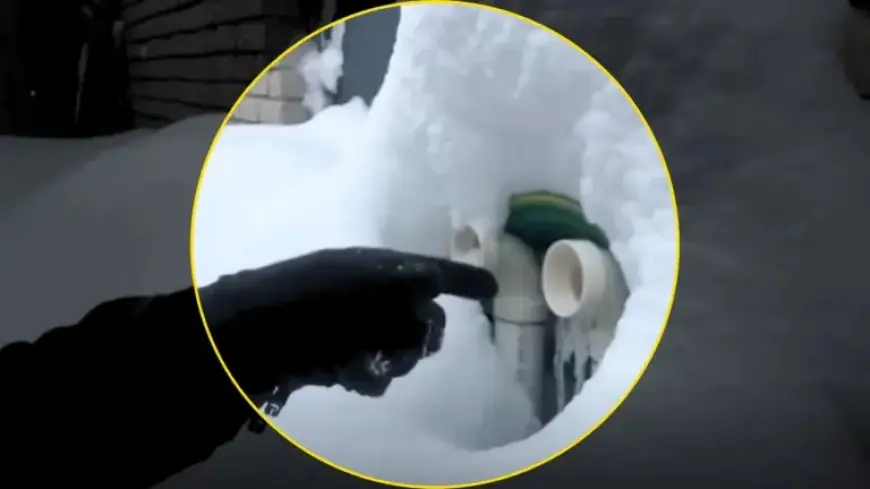
After a snowstorm, unseen dangers can threaten lives and safety. One such threat is carbon monoxide (CO) poisoning. This “silent killer” often goes unnoticed, making awareness and precautions essential for every household.
Understanding Carbon Monoxide Risks
Carbon monoxide is a colorless, odorless gas produced by burning fossil fuels. Sources include heating systems, water heaters, and other appliances. It can accumulate indoors, especially during winter when homes are sealed tight for warmth.
Preventative Measures
- Have your heating system and other appliances serviced regularly by licensed technicians.
- Install carbon monoxide detectors in key areas of your home.
- Check the batteries in your CO detector every six months.
If you experience symptoms such as dizziness, nausea, or lightheadedness, seek medical help immediately. These can be signs of CO poisoning.
Important Post-Snowstorm Safety Tips
Beyond CO risks, snowstorms present various hazards. Exercise caution to ensure safety during and after these weather events.
Avoid Electrical Hazards
- Stay at least 10 meters away from downed power lines.
- Report any downed lines to emergency services as they may be live.
Dress for the Weather
Prepare for cold conditions by wearing appropriate clothing. Use boots or shoes with good traction to prevent slips and falls on icy surfaces.
Be Aware of Surroundings
Watch for weak tree branches that may break under the weight of snow and ice. High winds can exacerbate this risk, so remain vigilant.
Manage Energy and Mobility
- Avoid over-exertion when shoveling snow or clearing ice to prevent physical strain.
- Use salt or sand to improve traction on walkways and driveways.
Inspect Your Property
Check for any damage caused by recent weather. Look for fallen branches or ice that may have affected your home.
Travel Cautiously
Road conditions can be hazardous following a snowstorm. If travel is necessary, use cleared roads and keep an emergency kit in your vehicle.
Staying vigilant and informed can help mitigate the risks posed by carbon monoxide and other dangers after a snowstorm. Prioritize safety to protect yourself and your loved ones.