U.S. Natural Gas Prices Surge to $6 Amid Widespread Freeze

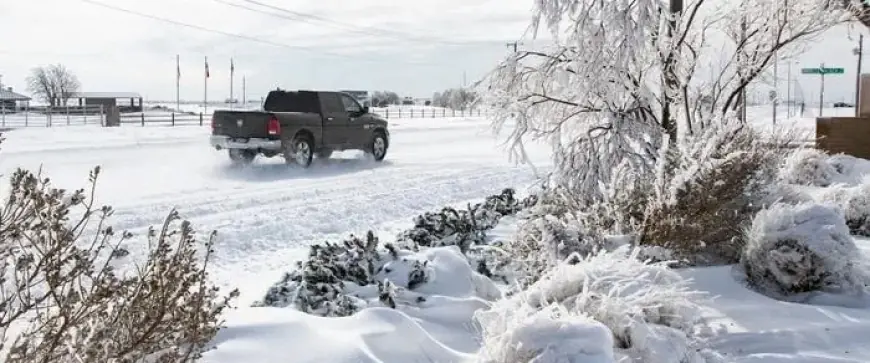
U.S. natural gas prices have surged as a severe winter freeze grips much of the country. This increase follows a significant rally of 70% from the previous week, pushing prices to over $6 per million British thermal units (MMBtu) for the first time since 2022.
Factors Behind the Price Surge
As of early Monday, the benchmark price for natural gas jumped by 14%. Demand for heating and power has reached winter record levels due to the extreme cold. The price nearly doubled compared to the beginning of last week.
- Natural gas prices surpassed $6 per MMBtu.
- The increase represents a 70% rise from the previous week.
- This is the highest price point since 2022.
Impact of the Freeze on Production
The winter storm has significantly affected natural gas production, leading to a 10% reduction in output. Major gas-producing states like Texas have experienced curtailments and freeze-offs.
According to BNEF data, this disruption has contributed to the overall price surge. Analysts report that this could be one of the most impactful price rallies since the 1990s.
Extreme Weather Conditions
Weather forecasts indicate wind chills could dip to -50 degrees Fahrenheit (-45.56 degrees Celsius) across much of the eastern United States. This severe cold has heightened gas demand considerably.
Operational Adjustments by PJM Interconnection
PJM Interconnection, the largest grid operator in the U.S., has made significant operational changes to address the demand surge. They will procure electricity from gas-fired power plants continuously until the end of the month, rather than on a daily basis.
- PJM plans to ensure a steady supply of electricity during this cold snap.
- The electricity procurement is set to last until January 31.
Global Market Implications
The impact of the U.S. winter freeze may extend to global gas markets. Deliveries to liquefied natural gas (LNG) export facilities on the Gulf Coast have fallen to a one-year low due to the cold conditions.
According to analysts at Saxo Bank, the repercussions on prices in Europe and Asia will depend on how much damage results from the ongoing freeze. The situation remains fluid as natural gas dynamics evolve in response to these unprecedented weather patterns.