






















England Urged to Consider World Cup Boycott Over Donald Trump’s Actions
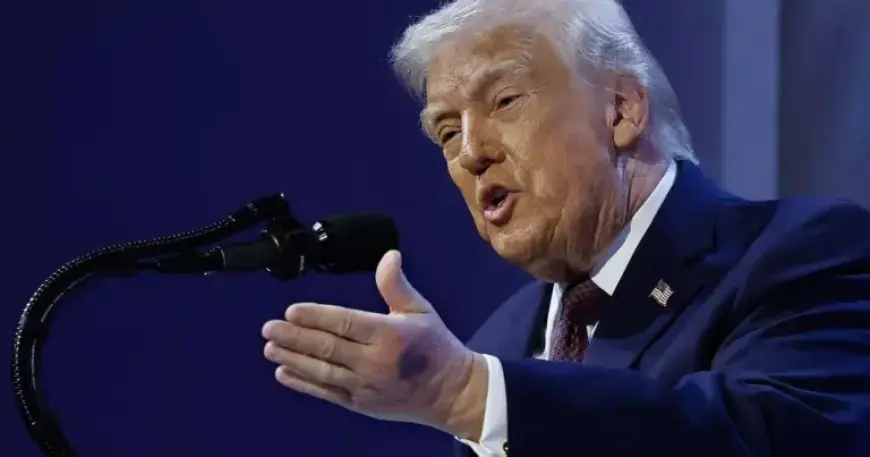
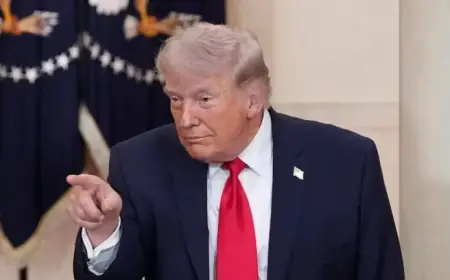
A prominent German football official has called for a serious discussion regarding a boycott of the upcoming World Cup. This comes in response to controversial actions by U.S. President Donald Trump, particularly his recent takeover bid of Greenland. The tournament is set to take place this summer, jointly hosted by the USA, Canada, and Mexico.
Calls for Boycott Over Donald Trump’s Actions
Oke Göttlich, who serves as the president of Bundesliga club St. Pauli and is one of the vice presidents of the German football federation, expressed his concerns. He stated that now is the time for participating nations to evaluate the implications of Trump’s actions on the tournament.
Context and Concerns
- Trump’s controversial takeover attempt of Greenland has sparked outrage across Europe.
- He has threatened tariffs on eight European nations opposing this move.
- Göttlich highlighted the need for serious discussions about boycotting the tournament, drawing parallels to past Olympic Games boycotts.
In his remarks, Göttlich questioned what constitutes a legitimate reason for a boycott today. He emphasized the seriousness of the threats posed by Trump, suggesting they may be even more significant than in the past.
The Broader Impact
Göttlich’s comments also touched on other issues related to the tournament. He criticized the current atmosphere surrounding the World Cup, suggesting organizations and society are neglecting their values. He remarked, “Are we completely apolitical now?”
The controversy is further compounded by rising ticket prices and a travel ban imposed by Trump, which limits access for fans from certain nations. Göttlich, whose club St. Pauli has a history of left-leaning activism, believes that the stakes are high. He pointed out that the lives of professional players are not more valuable than those of individuals affected by the broader political climate.
Global Reactions
Göttlich’s call for consideration resonates internationally. Recently, France’s sports minister, Marina Ferrari, left the door open for a potential boycott if political tensions escalate further. She clarified that, currently, there is no inclination to boycott the tournament but did not rule out future considerations.
Conclusion
As England and Scotland prepare for their participation in the World Cup, the discussions surrounding a potential boycott highlight a growing concern among nations. The events initiated by Trump have ignited a debate about the intersection of sports and politics that may significantly impact the tournament.
As stakeholders in the football world weigh their options, the future of the World Cup remains uncertain in light of these developments.