























Why Windows Users Distrust Microsoft

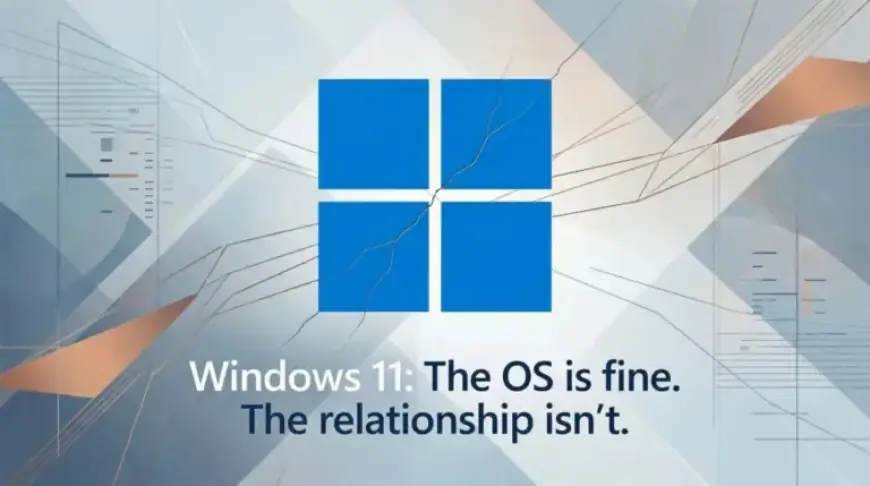
Windows 11 is widely recognized as a strong operating system, offering speed, stability, and security. However, a disconnect exists between Microsoft and its users. This mismatch reveals an underlying trust issue, which impacts users’ perception despite the operating system’s technical merits.
Understanding the Trust Problem with Microsoft
A recent incident, dubbed the “Patch Tuesday fiasco,” highlights user frustration. Complaints within Windows communities indicate that the dissatisfaction stems from how users feel sidelined by Microsoft’s decisions rather than from the OS itself.
- Forced changes to the taskbar and Start menu.
- Ads invading the Start menu, Settings, and File Explorer.
- Unrequested AI features inserted into the taskbar and Edge.
- Confusing and scattered telemetry settings.
- Feedback from Insider users that seems to disappear without response.
Each of these issues may appear minor individually, but collectively, they underscore a significant emotional distress felt by users. They feel Microsoft prioritizes its own objectives over their needs, leading to a perceived erosion of agency.
User Reactions to Change
Users often express their disdain not for change itself, but for unexpected alterations. For example, alterations made during updates—like changes to the Start menu—generate frustration. Users prefer to be informed about changes ahead of time, rather than discovering them unexpectedly.
Moreover, there is a growing concern that their operating system is becoming a platform for Microsoft’s marketing efforts. This perception further diminishes trust and user satisfaction.
Proposed Solutions for Trust Issues
To address these concerns, Microsoft must focus on rebuilding its relationship with users. A proposed “Windows Social Contract” could guide this effort:
- Eliminate ads from the core system UI.
- Disallow forced feature rollouts without user opt-in.
- Enhance and centralize privacy controls for clarity.
- Establish transparent communication regarding upcoming changes.
- Revitalize the Insider program to encourage genuine user feedback.
- Allow users to have a say in AI feature integrations.
This initiative is not a radical departure but a necessary step toward respecting user needs and preferences. By fostering trust through transparent decisions, Microsoft can maintain and improve the already solid foundation of Windows 11.
Conclusion
While Windows itself is not experiencing a crisis, the trust gap between Microsoft and its users is widening. Rebuilding this relationship requires clarity, consistency, and openness. By addressing these trust issues, Microsoft has the potential to elevate user satisfaction and restore enthusiasm for its products.