

























Coroner Links Football Star Gordon McQueen’s Death to Heading-Related Brain Injury

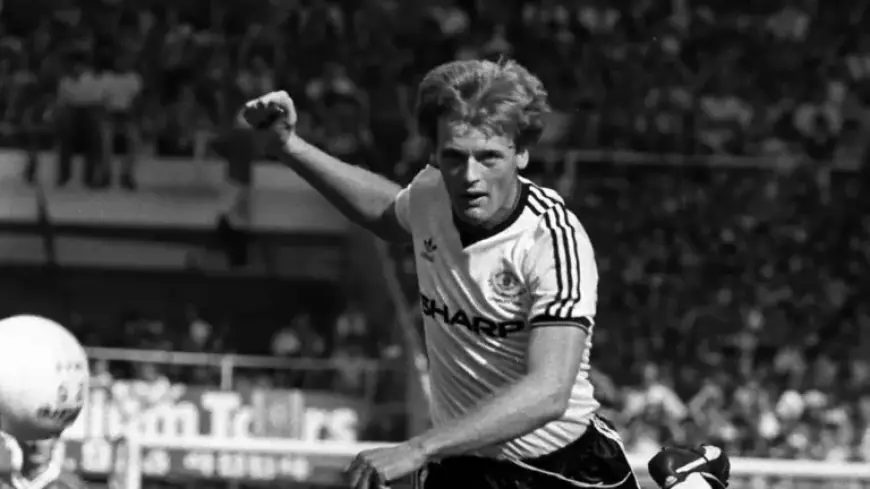
The recent inquest into the death of former Scotland international Gordon McQueen has established a link between heading a football and his brain injury. McQueen, who passed away in June 2023 at the age of 70, had a career that spanned 16 years, during which he made significant contributions to teams like Manchester United and Leeds United.
Details of Gordon McQueen’s Football Career
Gordon McQueen earned 30 caps for the Scotland national team from 1974 to 1981. He initially gained recognition with Leeds United after joining from St Mirren in 1972. His contributions helped Leeds secure the league title in 1973–74 and reach the 1975 European Cup final.
In 1978, he transferred to Manchester United, where he achieved further success, including winning the FA Cup in 1983. Despite being included in the Scottish World Cup squad in 1978, injuries prevented his participation.
Health Issues and Cause of Death
McQueen’s health deteriorated in the months leading up to his death. He was bed-bound and suffered from pneumonia, a condition attributed to his pre-existing medical issues. The inquest, held in Northallerton, North Yorkshire, revealed that McQueen had developed both vascular dementia and chronic traumatic encephalopathy (CTE).
Coroner Jon Heath concluded that repetitive head impacts from heading the ball during McQueen’s football career likely contributed to his CTE. He stated, “It is likely that repetitive head impacts sustained by heading the ball while playing football contributed to the CTE.”
Family Insights and Evidence
During the inquest, McQueen’s daughter, Hayley, shared that her father had reflected on the potential impact of his football career on his dementia. She recounted how he often suffered headaches after training sessions and had noticed changes in his personality after turning 60.
- Personality Changes: McQueen became more withdrawn and less sociable over time.
- Injuries: While he experienced some concussions, he remained injury-free for much of his career.
Brain Donation and Research
After his death, McQueen’s family donated his brain for research to Professor Willie Stewart, a specialist in brain injuries related to sports. His analysis confirmed the presence of CTE and vascular dementia in McQueen’s brain. Professor Stewart indicated that McQueen’s extensive exposure to heading the football significantly contributed to his condition.
Conclusion
The findings surrounding Gordon McQueen’s death highlight an increasing concern about the long-term effects of heading in football. With ongoing research into brain injuries in athletes, this case serves as a crucial point for discussions regarding player safety.