Ending Migrant Workers’ Abuse: Why Have Efforts Fallen Short?

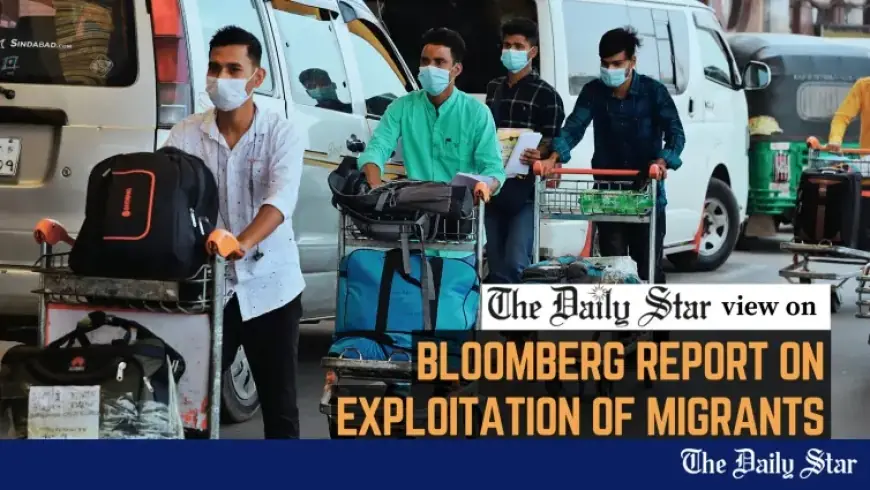
A recent investigation by Bloomberg has revealed systemic abuse in the recruitment of migrant workers from Bangladesh. This troubling phenomenon has been corroborated by reports from various media outlets, including The Daily Star.
Exploitation in Recruitment Practices
The investigation highlights that migrant workers in Bangladesh are often charged exorbitant fees, sometimes as high as $6,600, for jobs that are frequently unavailable. This exploitative business model benefits recruiters, political elites, and those involved in the digital recruitment process, while leaving workers in dire financial situations.
One poignant example of this crisis is the case of Shofiqul Islam. He borrowed $4,400 for a construction job in Malaysia, only to find himself dead outside an abandoned building in Kuala Lumpur. His employer vanished, leaving him stranded with no job and substantial debt. Such tragedies reflect a broader issue, where many of the over 800,000 Bangladeshi workers who migrated to Malaysia over the last decade have faced similar fates.
Debt and Human Rights Violations
Many Bangladeshi migrants find themselves in debt bondage, forced labor, and even human trafficking. Disturbingly, these occurrences happen under the watchful eyes of Malaysian authorities, who often fail to take meaningful action against the rampant abuse.
Centralized Corruption and Systemic Issues
The recruitment process is heavily regulated by a limited number of agencies. The introduction of a digitized recruitment system, known as Bestinet, has only centralized corruption further. A Bangladeshi national, living in Malaysia and allegedly the founder of Bestinet, is believed to exploit political connections to perpetuate this system.
Despite these identified abuses, both the Bangladeshi and Malaysian governments have not taken significant steps to address the issues. Evidence from the Bloomberg investigation went largely unacknowledged, with queries from journalists going unanswered.
Priorities for Government Action
The current lack of action raises critical questions about the priorities of both governments. Are the remittances from migrant workers prioritized over their well-being and rights? The absence of reforms during the previous government’s tenure showcases a troubling complacency.
Given the economic reliance on remittances, it is essential for future governments to dismantle these exploitative networks. Key measures should include:
- Implementing limits on recruitment fees
- Holding politically connected individuals accountable
- Ensuring legitimate and affordable recruitment practices
Addressing these issues should be a primary focus for the next elected government, ensuring the safety and dignity of migrant workers is upheld.