























Instacart’s new commercial pairs Ben Stiller with Benson Boone to turn grocery delivery into Super Bowl-level entertainment

Instacart is making a clear bet ahead of the Super Bowl: the fastest way to keep a utilitarian service in the cultural conversation is to make it feel like pop culture. By casting Ben Stiller alongside singer Benson Boone in a retro, music-led Instacart commercial rollout, the company is aiming for the kind of ad that people quote, remix, and share—well beyond game night. For Instacart, the upside is bigger than a one-day spike in downloads: it’s brand identity, retention, and staying power in a crowded delivery market.
The strategy shift: from “useful” to “unmissable”
Grocery delivery sells convenience, but convenience rarely sparks fandom. Instacart’s approach this year is to lean into entertainment-first storytelling—building anticipation with short teasers instead of waiting for the main spot to debut. That puts Instacart in the same lane as brands that treat the Super Bowl as a multi-week campaign rather than a single expensive placement.
The creative choice of Ben Stiller and Benson Boone is doing two jobs at once. Stiller brings instant comedy credibility and an unmistakable screen persona; Boone adds musical polish and a younger fan base that’s fluent in short-form clips and replayable hooks. The combination is designed to travel across TV, social feeds, and group chats—exactly where “Did you see that ad?” moments now live.
What’s in the Instacart commercial teasers so far
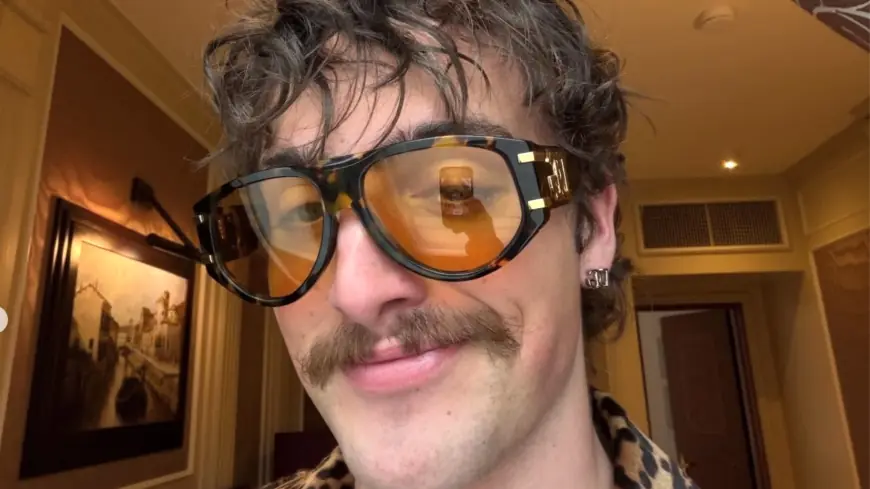
Two teaser spots have been circulating in recent days as a lead-in to a longer Super Bowl ad expected to air on February 8, 2026. The setup is intentionally simple and instantly readable: Stiller and Boone appear as bickering, moustachioed “brothers” in matching green, ‘70s-inspired outfits, trying (and failing) to harmonize their way through a catchy jingle about Instacart.
One teaser plays like a musical sketch—tight framing, exaggerated styling, and escalating sibling rivalry. Another pivots into the same duo-dynamic with a punchline built around competitiveness and performance. The creative is less “here’s the feature list” and more “here’s a memorable duo you’ll want to spend 30 seconds with,” while still slipping in the brand’s practical promise: letting customers make precise grocery choices (including produce).
A key ingredient is the tone. The campaign is intentionally awkward-in-a-funny-way: the harmonies are strained, the wardrobe is knowingly dated, and the conflict is petty in the way siblings can be petty. That’s the point—Instacart isn’t positioning itself as sleek tech; it’s positioning itself as familiar and human, with the service as the quiet punchline.
The value-add signals baked into this rollout
-
Teasers are the product now. The early clips aren’t leftovers; they’re engineered to rack up repeat views before the main ad even airs.
-
Music is a shortcut to memory. A jingle plus a recognizable voice can outlast plot-driven ads because people can hum it without recalling the whole scene.
-
Nostalgia is doing crowd control. A ‘70s look and a simple two-person setup cut through chaotic feeds by feeling “clean” and instantly legible.
-
Stiller is cast for rhythm, not star power alone. The humor works because he plays timing and irritation well—essential for a musical bicker-bit.
-
Boone extends the ad’s life past the broadcast. Fans clip, duet, and parody music moments faster than dialogue scenes, especially when the hook is short.
Instacart’s challenge now is execution: a teaser can charm, but the full ad has to pay off the premise without turning into a long sketch that forgets the brand.
Why this pairing is landing right now
On paper, Ben Stiller and Benson Boone look like an unexpected pairing. In practice, it’s a proven Super Bowl move: mix comedy with music, keep the concept clean, and let performance carry the message. The choice also mirrors how audiences consume ads today. Viewers don’t sit through commercials the way they used to; they encounter them in fragments—on phones, in highlights, as reaction clips. A duo built for quick, meme-ready moments is an efficient way to win that attention battle.
For Instacart, returning to the Super Bowl conversation in back-to-back years is also a signal of confidence. It suggests the company sees mass-market awareness and brand personality as core levers—especially as delivery and retail services converge and compete on sameness.
The final test will be whether the full Instacart commercial delivers a clear, sticky takeaway beyond the joke. If it does, the campaign can become something rarer than a good Super Bowl ad: a piece of brand storytelling that keeps running after the confetti is gone.