

























Gold Nears $5,000: Next Steps for Investors

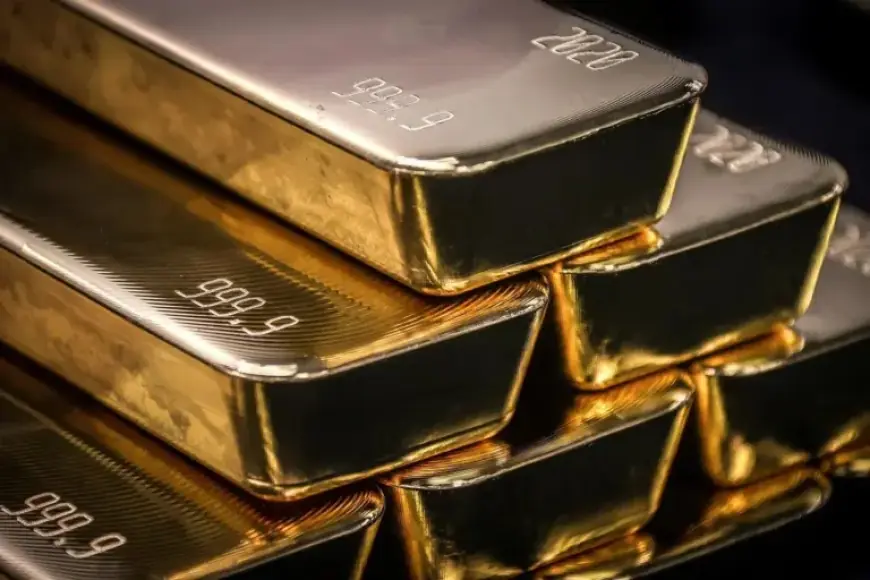
The price of gold is approaching the remarkable threshold of $5,000 per troy ounce, stirring interest among investors. As of 6:00 AM EDT on a recent Friday, the COMEX gold futures contract for February delivery was priced at $4,930.70 per ounce, reflecting a minor increase of 0.35%, or $17.30. Meanwhile, spot gold prices in Dubai fluctuated between $4,920 and $4,930 per ounce.
Driving Forces Behind the Gold Price Surge
This current rise in gold prices is largely influenced by persistent geopolitical tensions. Investors view gold as a safe haven, especially during times of uncertainty. Central banks are also significantly adding to market demand, frequently engaging in buying sprees.
Retail Investor Behavior
- Retail investors are increasingly turning to gold and gold exchange-traded funds (ETFs).
- Concerns regarding trade wars and ongoing conflicts, such as the Russia-Ukraine war, are prominent influences on this trend.
- Despite gold being a non-yielding asset, it has demonstrated remarkable price growth in recent years.
Central Banks Driving Demand
Central banks play a crucial role in the rising gold prices. The World Gold Council reports that Poland has emerged as the largest official sector buyer of gold. Other notable central banks making significant purchases include:
- Brazil
- China
- Kazakhstan
- Turkey
- Russia
Such high levels of gold accumulation are shifting dynamics in the global market. For instance, in June 2025, the European Central Bank recognized gold as the world’s second-largest reserve asset, surpassing the euro.
Future Predictions for Gold Investors
With an increased interest in gold, analysts predict that the rally could persist. Notably, Goldman Sachs has raised its gold price forecast for the end of 2026 to $5,400 per ounce. J.P. Morgan Global Research suggests that $6,000 per ounce might be achievable in the long term.
Market Risks and Considerations
While the outlook is predominantly bullish, several risks warrant caution. A potential easing of geopolitical tensions could reduce safe haven demand and lead to price corrections. Furthermore, if central banks decide to liquidate their gold reserves to capitalize on high prices, it might affect overall market stability.
In summary, while the near-term case for gold remains robust, with significant buying from both retail and institutional investors, market fluctuations could introduce volatility. A cooling in demand may also present new buying opportunities for investors.