























How Europe’s Ties with the US Changed in a Week

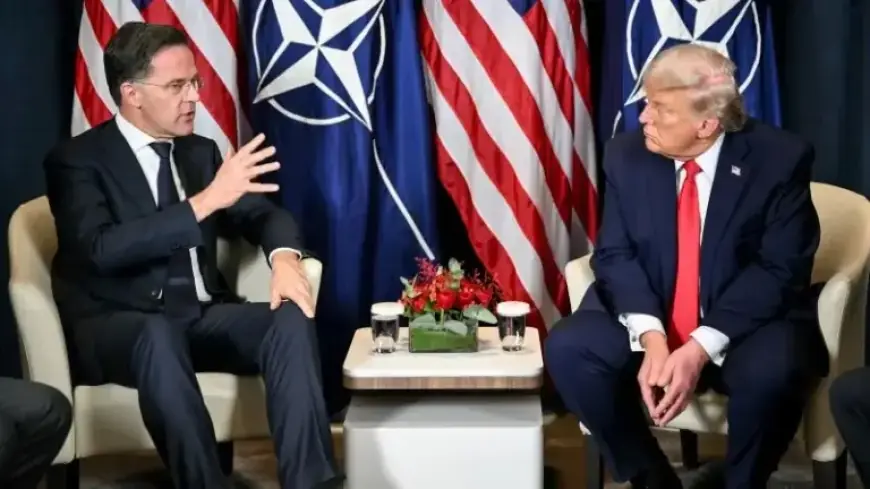
In the span of a week, the relationship between Europe and the United States underwent a significant transformation, primarily influenced by actions taken by former President Donald Trump. This rapid shift has left European leaders grappling with a new reality in transatlantic relations.
Key Developments in Europe-US Relations
The turning point began with Trump’s controversial remarks regarding Greenland, threatening tariffs and expressing aggressive intentions toward the territory. This behavior shattered established norms, creating what Canadian Prime Minister Mark Carney described as a “rupture, not a transition.”
European Leaders React
French President Emmanuel Macron characterized the week as beginning with “threats of invasion and tariff threats.” The responses from various European leaders reflected a growing anxiety about their relationship with the U.S.
- Donald Tusk, Prime Minister of Poland, invoked the term “appeasement,” emphasizing that Europe “cannot afford to be weak.”
- Kaja Kallas, the EU foreign policy chief, noted that transatlantic relations had taken a substantial blow over the week.
- EU Council President Antonio Costa advocated for managing relationships with partners “in a cordial and respectful way,” contrasting the Trump administration’s approach.
Implications for Transatlantic Trust
Many European leaders expressed concern over the diminishing trust in the U.S. as a reliable ally. Former EU Council chief Charles Michel stated that the transatlantic relationship, as it was known, is “dead.”
This perception has caused a reevaluation of Europe’s defense and political strategies. EU leaders have begun discussions on how to protect their interests independently of U.S. whims, particularly regarding defense matters.
Future Defense Strategies
Amidst growing tensions, plans for coordinated European defense funding are gaining traction. Leaders emphasize the importance of bolstering Europe’s industrial base to enhance military capabilities.
Responses to External Threats
As Europe contemplates its future, external threats remain prevalent. Recently, Russia intensified its military actions, launching significant bombardments, while warnings about vulnerabilities in the Baltic Sea have emerged.
Despite the rocky relationship dynamics, EU members stress the need for cooperation over confrontation. Lithuania’s President Gitanas Nauseda remarked, “The US is still our closest friend,” indicating a desire to maintain connections while seeking new pathways for security and independence.
Conclusion
In just one week, it has become clear that Europe’s ties with the U.S. have fundamentally changed. The traditional trust and cooperative spirit that once characterized transatlantic relations now face a daunting reconfiguration, prompting European leaders to adapt swiftly in a volatile global landscape.