Bangladesh Vs Pakistan series puts Mehidy Hasan Miraz’s captaincy under scrutiny

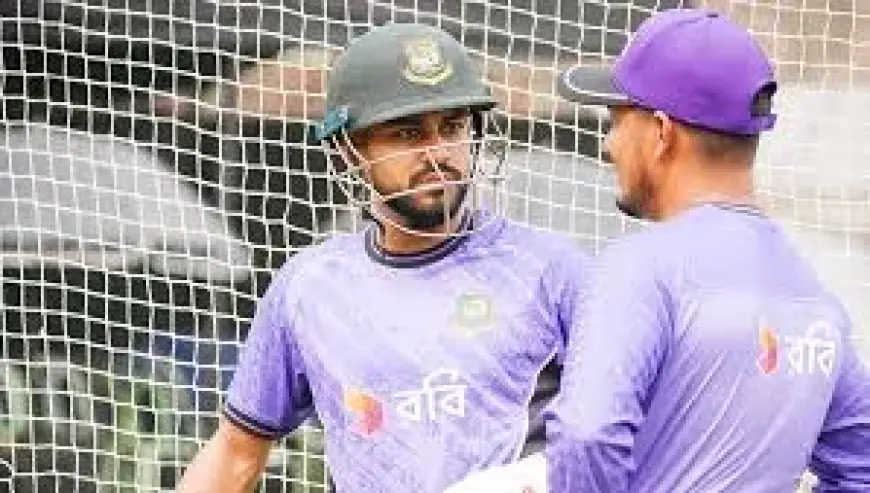
Mehidy Hasan Miraz tried to keep the focus narrow: his job, his role, and the next match. On Tuesday, the Bangladesh ODI captain said he was not worried about his captaincy, even as his personal form and the team’s recent lack of results have fed questions ahead of bangladesh vs pakistan.
Mehidy Hasan Miraz, a one-year role measured in nine matches
Mehidy’s position is defined by a timeline and a record, both already public. He said he was given the captaincy for one year, and so far he has led Bangladesh to three victories in nine matches. Those numbers sit alongside his acknowledgement that expectations exist around a captain’s impact, especially when people want wins to arrive quickly and consistently.
Mehidy pointed to the rhythm of Bangladesh’s ODI schedule since the last World Cup, describing long gaps between series as part of the picture. In that stretch, he said, the team played “maybe around 15 ODIs ” but not as a continuous run of games. Still, he did not frame that as an excuse. Instead, he described a captain living inside competing pressures: public expectations, his own performance, and the team’s need for results.
He also accepted a plain assessment of his form, describing it as “average, ” while stating that he will try to win matches for the team. It was not a declaration of comfort as much as an insistence that worry will not be the driver. He described his first priority as the team doing well, with his own output also “very important, ” especially because his role involves both batting and bowling.
Bangladesh vs pakistan, and a series he calls “very important”
The immediate stage for all of this is the series against Pakistan. Mehidy called it “very important for us, ” and that importance seems to extend beyond the boundary rope. In his telling, the series carries enough weight that conversations about captaincy could follow it.
Mehidy said there had been no discussion about the future of his captaincy. He described it as a decision for the cricket board, not for him alone, and said the matter had not been raised with him. Yet he also suggested a possible sequence: it “maybe after this series or after the next one” that it will be discussed. The phrasing left space for multiple outcomes, while keeping his message consistent: his responsibility, for now, is to do the job while he has it.
That message includes how he sees leadership itself. Mehidy argued that whoever is given captaincy needs time, and that with time “things can be built more beautifully for the team. ” He said he does not see it as a test, and framed his focus as meeting the team’s needs—through decisions as captain and through his own performance in the roles assigned to him.
Numbers behind the role: 173 runs, 11 wickets, and the team’s results
Mehidy’s leadership is being evaluated in a real-time mix of results and individual returns. Since replacing Najmul Hossain Shanto as the ODI captain, his performance has been described as moderate. The record attached to that description is specific: 173 runs at an average of 21. 62, and 11 wickets at 32. 9.
Those numbers matter because Mehidy emphasized how his value is split between two disciplines. He spoke about the position he bats in and the way he bowls in certain situations, calling both “very helpful for the team. ” At the same time, he acknowledged that the team’s result is also “very important as a captain, ” tying his personal output to the win-loss ledger that defines leadership in limited-overs cricket.
For now, that ledger remains the simplest summary of his tenure: three wins in nine matches, with a series against Pakistan looming as the next major reference point. He has not asked to control what happens after; he has asked for time, and for attention to the realities of building a team amid gaps between series. Yet his words also contained a deadline of sorts—an expectation that the discussion may arrive after bangladesh vs pakistan, or after the next series.
Mehidy’s stance did not offer guarantees. It offered a plan: keep trying to perform, keep trying to win, and let the board decide what comes next. The next confirmed step, in his own framing, is the Pakistan series he called “very important”—the one that will shape how his calm Tuesday statement is read in the days that follow.