Scarpetta adaptation stars Nicole Kidman and leans into an AI subplot


Nicole Kidman leads a long‑awaited screen adaptation of Patricia Cornwell’s novels, a production that reviewers describe as both high‑profile and fundamentally flawed. The review surfaces a stark gap: star power and decades of attachment contrast with a disjointed series that adds a prominent AI chatbot and other tech threads that were not in the original material.
Nicole Kidman, Jamie Lee Curtis and scarpetta’s prolonged development
Confirmed: The project has a lengthy development history and major names attached. Past attempts reportedly considered Demi Moore and Angelina Jolie for the lead, and the reviewer notes the author had approached other actresses over the years. Jamie Lee Curtis served as an executive producer and also appears in the series, while Nicole Kidman occupies the title role.
Documented: The series adopts two timelines, presenting a present‑day Kay Scarpetta and a younger Scarpetta in flashbacks to the 1990s. In the present timeline Kidman’s Scarpetta serves as Virginia’s chief medical officer and responds to a crime scene; the younger version, portrayed by another actor, investigates a similar killer in the past when DNA forensics were less developed. The reviewer describes this structural choice as an addition not present in Cornwell’s original novel.
Janet the chatbot, 3D‑printed organs and other tech insertions in Scarpetta
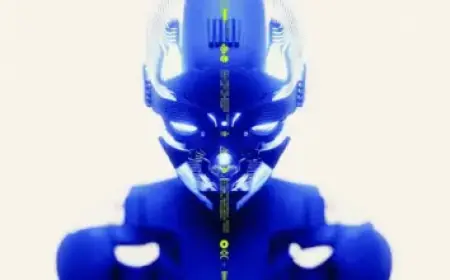
Confirmed: The adaptation places an AI chatbot named Janet among its main characters. The chatbot connects to a subplot involving Lucy’s dead wife; Lucy and related family members appear in scenes that pair a human character with a computer screen.
Documented: The reviewer labels the chatbot subplot as sub‑Black Mirror and repetitive, and notes another shoehorned storyline about a company that 3D prints bodily organs. That latter strand culminates, in the reviewer’s account, in the death of a group of astronauts. These elements form a technological overlay the reviewer presents as distinct from Cornwell’s source material.
Tonal shifts, procedural gaps and what the Scarpetta record shows
Documented: The review characterizes the show as a sluggish procedural that frequently undermines tension. Moments of gore arrive unexpectedly, major case revelations come as sudden deus‑ex‑machina moments, and the reviewer argues that deceased women function primarily as plot fodder. Yet the same review praises the chemistry between Kidman and Jamie Lee Curtis, saying their interactions are strong and enjoyable.
Open question: The context does not confirm whether the adaptation’s technological additions were meant to update the novels or to mask uncertainty about the source material’s dramatic center. What remains unclear is whether those choices were deliberate reimaginings or signs of inadequate conviction in the material.
Documented pattern: When the reviewer’s praise for performances is viewed alongside critiques of structure and tone, a pattern emerges: strong individual elements exist within a series the reviewer deems uneven. Kidman and Curtis provide moments that could belong to any competent drama, but the surrounding storytelling choices — alternate timelines, an AI main character, 3D‑printing plotlines — create a mismatch between performer strengths and narrative execution.
Closing — open evidence that would resolve the tension: The context does not confirm what specific decision would settle whether the tech additions improve the adaptation. If those involved had demonstrated clear conviction in the source material by keeping core novel elements intact or by integrating updates with cohesive purpose, it would establish that the AI and other tech threads were intentional enhancements rather than shoehorned distractions.