






















Inglis Reflects on ‘Life-Changing’ Moment; Djokovic Advances with a Warning

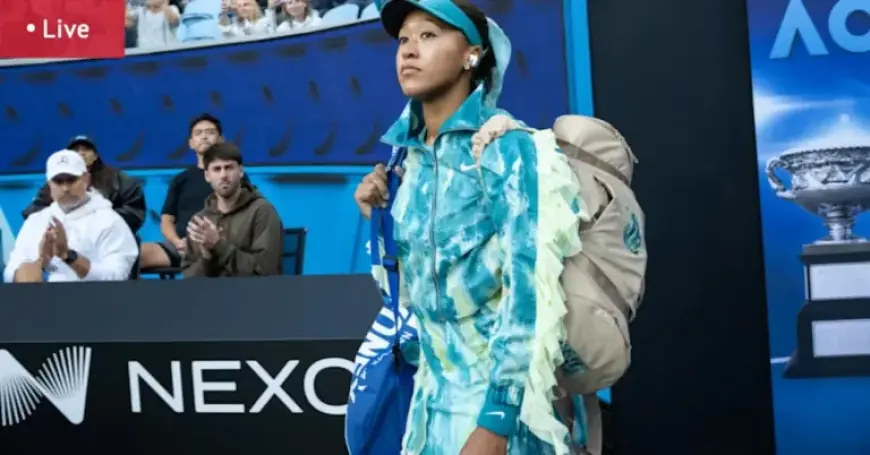
Extreme temperatures significantly affected attendance at the Australian Open, resulting in the tournament being reduced to indoor play. On Saturday, the event saw a decline of over 10,000 attendees, as tournament officials suspended play outdoors when temperatures reached 36 degrees Celsius.
Impact of Extreme Heat on Tournament
The decision to halt outdoor activities was made by tournament referee Wayne McKewen shortly after 2:30 PM. While play was paused on Rod Laver Arena, Margaret Court Arena, and John Cain Arena, the indoor courts were sealed off from the heat. Matches resumed soon after the adjustments.
One main draw women’s singles match between Czech 13th seed Linda Noskova and China’s Wang faced a four-hour suspension at 2-2 due to unsafe conditions. On this day, the Australian Open recorded an attendance of 51,048 fans, a notable drop from the 62,065 attendees from the previous year, when temperatures peaked at 32 degrees.
Forecast and Implications
Looking ahead, the weather forecast suggests cooler afternoons for Sunday and Monday. However, a scorching high of 43 degrees is anticipated on Tuesday, raising concerns for player safety and tournament scheduling. The Australian Open’s heat stress scale, updated in 2019, uses real-time data on air temperature, radiant heat, humidity, and wind speed to assess conditions.
Player Experiences in Record Heat
The closing of the Rod Laver Arena roof was pivotal for world No.2 Jannik Sinner. He faced severe cramping while locked in a tense match against American Eliot Spizzirri. With the court protected from the heat, Sinner rallied back to win the match 4-6, 6-3, 6-4, 6-4.
- The Australian Open heat scale ranges from one to five.
- Play is stopped once readings hit five.
Other players also noted the challenges posed by the oppressive conditions. American No.6 seed Jessica Pegula mentioned her preference for playing early to avoid the heat. She expressed gratitude that the roof remained open during her match.
No.4 seed Amanda Aminisova managed the heat with water and ice packs, indicating that quick turnarounds during matches added to her stress. “It’s important to stay calm and fueled,” she remarked.
Fan Reactions and Support for Safety Protocols
Fans actively sought shade throughout Melbourne Park while watching suspended junior matches and doubles events on big screens. Support for the tournament’s heat protocols was evident among attendees. Sydneysider Stephen Butcher remarked on the importance of prioritizing player and crowd safety.
Monique Hollick, another attendee, emphasized the need to respect scientifically backed guidelines. “We’re here to enjoy the matches, but safety comes first,” she said.
Risks Associated with Extreme Temperatures
Research indicates that a tennis player’s core temperature can rise to 39.4 degrees Celsius after two hours of play in hot conditions. Heatstroke risks escalate once core temperatures exceed 40 degrees, potentially leading to severe health complications.
The extreme heat at the Australian Open illustrates the ongoing challenges of managing player safety in changing climate conditions while providing an entertaining sporting experience for fans.