

























Webb Telescope Unveils Spectacularly Clear Planetary Nebula

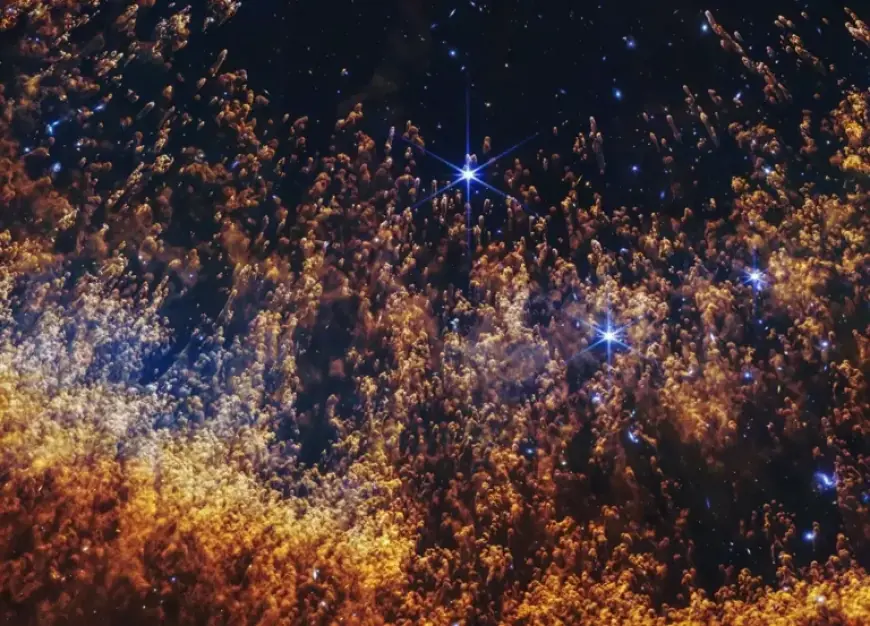
The Helix Nebula, known for its striking resemblance to the “Eye of Sauron,” is one of the most photographed planetary nebulae. Located about 655 light-years from Earth, it ranks as one of the nearest bright nebulae. The nebula is formed from stars that shed gas as they approach the end of their life cycle, producing spectacular cosmic displays.
James Webb Telescope Captures Helix Nebula
The James Webb Space Telescope (JWST) has recently provided stunning new images of the Helix Nebula, revealing its intricate details. NASA unveiled these images on a Tuesday, showcasing the nebula’s vibrant gas pillars within its expanding shell.
Key Features of the Helix Nebula
- Distance from Earth: Approximately 655 light-years
- Appearance: Resembles the “Eye of Sauron”
- Formation: Created by dying stars shedding gas
- Previous Observations: Iconic images captured by the Hubble Space Telescope
This latest imagery from the JWST offers unprecedented clarity and detail, highlighting the nebula’s rich structure. The advancements in telescope technology enable astronomers to observe celestial phenomena with remarkable precision.
Significance of the Helix Nebula
The Helix Nebula plays an important role in our understanding of stellar evolution. As stars similar to our Sun exhaust their fuel, they transition into this fascinating phase. The gas expelled creates environments conducive to the formation of new stars.
Thanks to the advancements made by the JWST, our view of the Helix Nebula and similar cosmic wonders continues to expand. The high-quality images inspire awe and deepen our knowledge of the universe.