

























Helen Hunt Jackson Tours Rancho Camulos on January 23, 1882

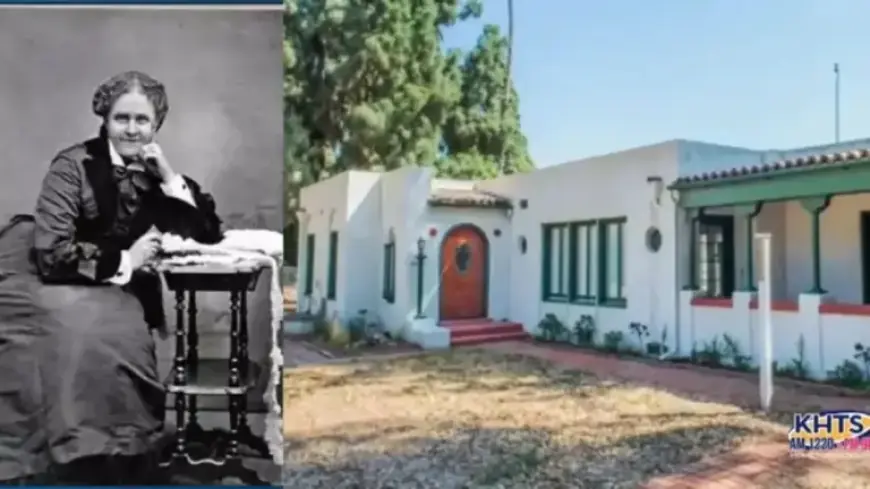
On January 23, 1882, Helen Hunt Jackson made a brief yet significant visit to Rancho Camulos. This estate, located along the Santa Clara River, played a crucial role in shaping her literary career. The visit occurred during her travels from Los Angeles to Santa Barbara and laid the groundwork for her famous novel, “Ramona.”
Rancho Camulos: A Flourishing Estate
During Jackson’s visit, Rancho Camulos was a thriving agricultural estate. The property was known for its diverse crops, including:
- Grapes
- Citrus fruits
- Walnuts
The estate also had its own wine production and a growing herd of sheep and cattle. At that time, it was managed by Don Ignacio del Valle and his wife, Ysabel Varela del Valle, who raised eleven children and took in orphans.
Personal Narratives and Community Influence
Among the orphans was Blanca Yndart, whose family’s history had a significant connection to Rancho Camulos. Her grandfather, Domingo Yndart, a sea captain, left her a chest of jewels, enriching the estate’s narrative. Ignacio del Valle passed away two years before Jackson’s visit, leaving the estate to his eldest son, Reginaldo del Valle, who was a California state senator.
Advocacy Through Literary Works
Helen Hunt Jackson aimed to reveal the injustices faced by Native Americans in the West. Her previous nonfiction book, “A Century of Dishonor,” pointed out broken treaties and the failures of the government. Jackson believed that a novel could convey these messages to a wider audience, similar to the impact of “Uncle Tom’s Cabin.”
As part of her research, she traveled through Southern California, gathering authentic stories and locations for her novel. At Rancho Camulos, she interviewed local ranch workers and residents, including Blanca Yndart, whose tales influenced her writing.
Impact on “Ramona”
Jackson’s time at Rancho Camulos allowed her to collect vital information. Her observations helped shape the character of Señora Moreno in “Ramona.” Doña Ysabel, although not present during the visit, left a strong impression on Jackson.
Artist Henry Sandham also visited Rancho Camulos, creating sketches inspired by Jackson’s poignant narrative. When “Ramona” was published in 1884, it became a cultural sensation, establishing Rancho Camulos as a prominent setting in the novel. The story later caught the eye of filmmaker D.W. Griffith, leading to several adaptations.
The Legacy of Rancho Camulos
Today, Rancho Camulos is recognized as a 40-acre National Historic Landmark, located approximately 10 miles from Santa Clarita. The estate provides visitors with insights into its historical significance through guided tours and reenactments of Jackson’s visit every January. Additionally, the Mountain View Inn, a charming Victorian establishment in Piru, continues to offer guests a taste of California’s rich heritage.