
























Top 6 Major Retailers Exit UK High Streets or Face Massive Closures in 2025

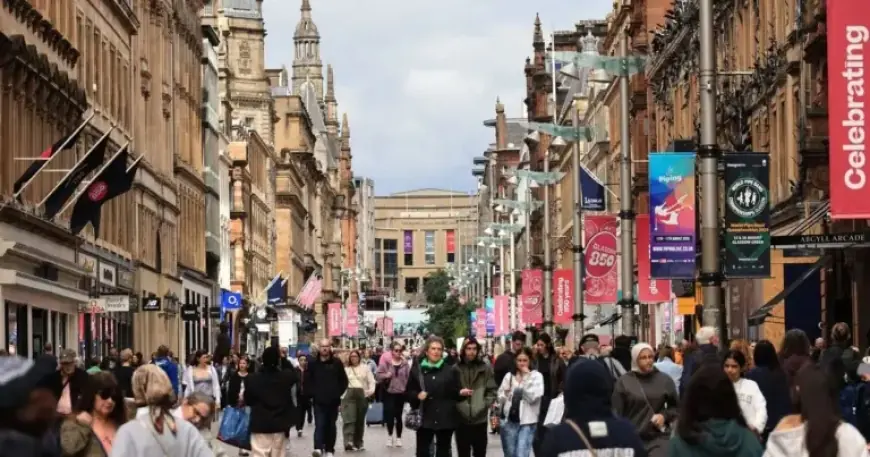
The retail landscape in the UK is facing unprecedented challenges, with several major retailers either exiting or significantly reducing their presence on high streets. This trend highlights a worrying pattern for the future of brick-and-mortar shopping in the country.
Top 6 Major Retailers Exit UK High Streets or Face Massive Closures in 2025
As 2024 closed, the UK witnessed a significant loss of retail establishments, with an average of 37 shops shuttering daily. This figure amounts to nearly 13,500 stores, according to the Centre for Retail Research. The latest year has only amplified these departures, driven by a combination of evolving consumer behaviors, pandemic aftershocks, and soaring operational costs.
Key Retailers Making Changes
Below are notable retailers that significantly altered their operations:
- WHSmith: This iconic retailer, established 233 years ago, will effectively vanish from high streets by 2025. Sold to Modella Capital, its stores will be rebranded as TG Jones. WHSmith will continue to operate in airports, railway stations, and hospitals.
- Homebase: Once a leading DIY brand, Homebase closed 65 stores last year after falling into administration. Though five locations were acquired by B&Q, the remaining physical shops are expected to transition to The Range.
- Quiz: The fashion retailer, founded in Glasgow in 1993, faced financial difficulties leading to potential closures of around 23 stores. Following a restructuring effort, 42 stores were saved by Orion Retail, preventing more extensive job losses.
- Claire’s: This jewelry chain entered administration early this year, resulting in the loss of 1,000 jobs. Although Modella Capital planned to purchase 156 stores, it later faced insolvency, leaving many stores in question.
- Poundland and River Island: Both brands are set to close additional stores as they respond to changing market conditions.
Factors Behind Store Closures
Several factors have contributed to the ongoing trend of retail downsizing:
- Shifting consumer habits, particularly after the pandemic.
- Intense competition from online retailers.
- Rising costs associated with physical stores.
The economic pressures and changing shopping preferences indicate that consumers may need to adapt to a new retail environment. As 2025 approaches, additional closures are anticipated, challenging the viability of traditional high-street shopping.
Filmogaz.com will continue to monitor this evolving situation, highlighting its implications for the retail industry and employment across the UK.