

























Why Winter Storms Cause ‘Exploding Trees’: An Explanation

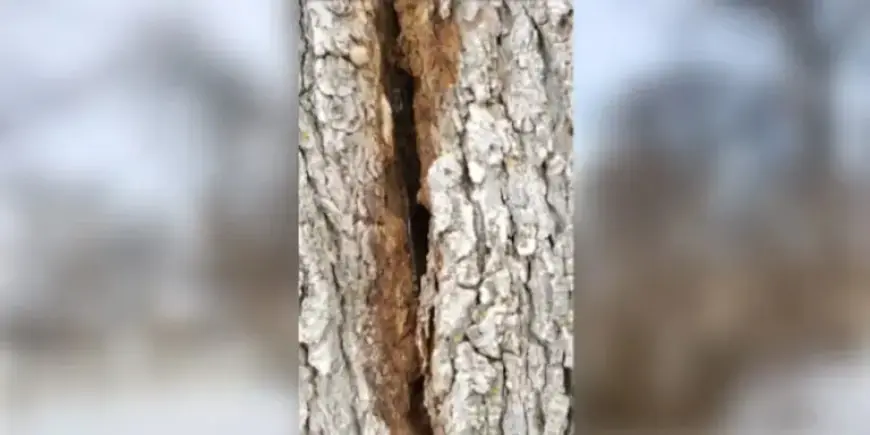
The recent winter storm heading towards the Midwest and Northern Plains has sparked a surprising phenomenon: “exploding trees.” Meteorologists and experts are explaining the science behind this unusual occurrence. With sub-zero temperatures sweeping in, many are curious about the truth of these claims.
Understanding ‘Exploding Trees’
As temperatures plummet, wind chills could drop to an astonishing -50 degrees Fahrenheit in certain regions. When this rapid drop occurs, the water and sap inside trees begin to freeze. Meteorologist Stefano DiPietro remarked that while trees do not literally explode, they can rupture or crack due to this sudden freezing.
The Science Behind the Sound
According to the Minnesota Department of Natural Resources, the noise people hear are often “frost cracks.” These are vertical splits in the wood that form because of the swift temperature decrease. The explosion-like sounds can be quite loud and easily noticeable.
- Key Factors:
- Rapid temperature drop
- Expansion of frozen water and sap
- Specific tree species vulnerability
Vulnerability of Tree Species
Not all trees are equally affected. Thin-barked species, such as maples and birch, are more prone to these ‘explosions.’ However, despite the dramatic noise and visible damage, experts note that such events are rarely fatal to the trees.
As winter storms continue to challenge the Midwest and Northern Plains, understanding the mechanics of these unusual bursts can help demystify this winter spectacle. Keep an eye on local forecasts and stay informed about the weather conditions in your area, only at Filmogaz.com.