






















Vance Advocates Reducing Civil Liberties Protections in Minneapolis Speech

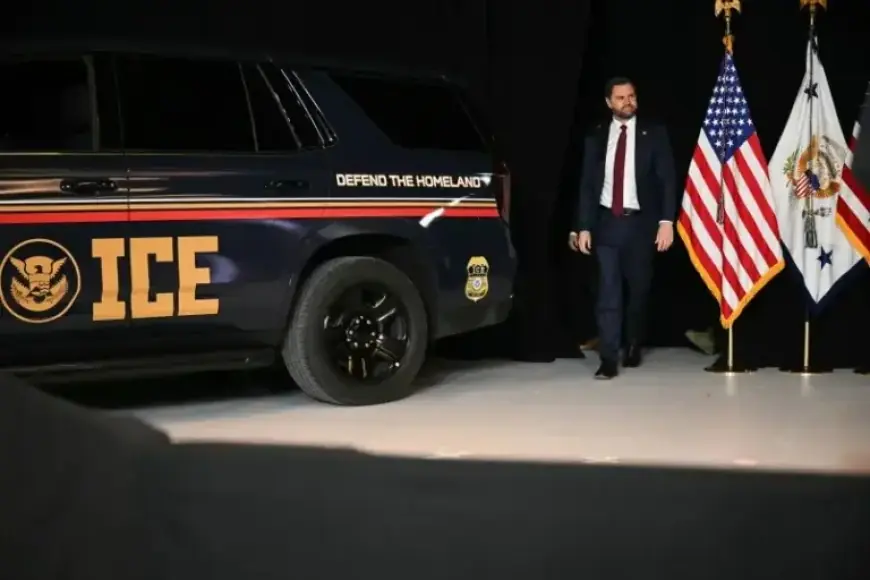
Vice President JD Vance’s recent remarks in Minneapolis have ignited a contentious debate over civil liberties protections and immigration enforcement. While media outlets characterized his visit as a call for peace, a deeper analysis of his statements reveals a troubling endorsement of diminished privacy rights.
Background on the Minneapolis Visit
During his trip, Vance aimed to address rising tensions in the city. This follows alarming incidents, including the death of Renee Good earlier this month and widespread criticisms of Department of Homeland Security (DHS) actions. Reports indicate that over 3,000 DHS officers have been deployed, exceeding standard civilian law enforcement numbers.
Concerns Over Immigration Enforcement
A significant point of contention arose when Vance expressed support for the ability of immigration authorities to enter private homes without a judicial warrant. This assertion aligns with a controversial memo issued by Immigration and Customs Enforcement (ICE) that posits it’s permissible to do so if officials believe an individual with a final deportation order is present.
- ICE’s memo was issued in May and outlines a potential shift in enforcement practices.
- Typically, law enforcement requires warrants issued by independent judges to enter residences.
Legal Implications of Vance’s Remarks
Vance’s support for this interpretation of the law raises significant legal concerns. His statements suggest a willingness to redefine the Fourth Amendment protections against unreasonable searches. Critics highlight that allowing executive branch agencies to issue warrants undermines the judicial oversight designed to protect individual rights.
- Administrative law judges do not issue immigration warrants, contrary to Vance’s assertion.
- This reinterpretation could grant ICE officers more power than other law enforcement officials in the U.S.
Expert Analysis
Cesar Cuahetemoc Hernandez, a law professor at Ohio State, criticized the implications of Vance’s comments. He stated, “What this memo ostensibly does is it permits them to march into people’s homes under the flimsiest of evidentiary standards.”
These developments provoke essential questions about the balance between immigration enforcement and civil liberties. The potential expansion of executive power poses risks to fundamental constitutional protections and raises public concern over privacy rights in Minneapolis and beyond.