






















Clemson’s Dabo Swinney Accuses Ole Miss of Tampering with Transfer Luke Ferrelli

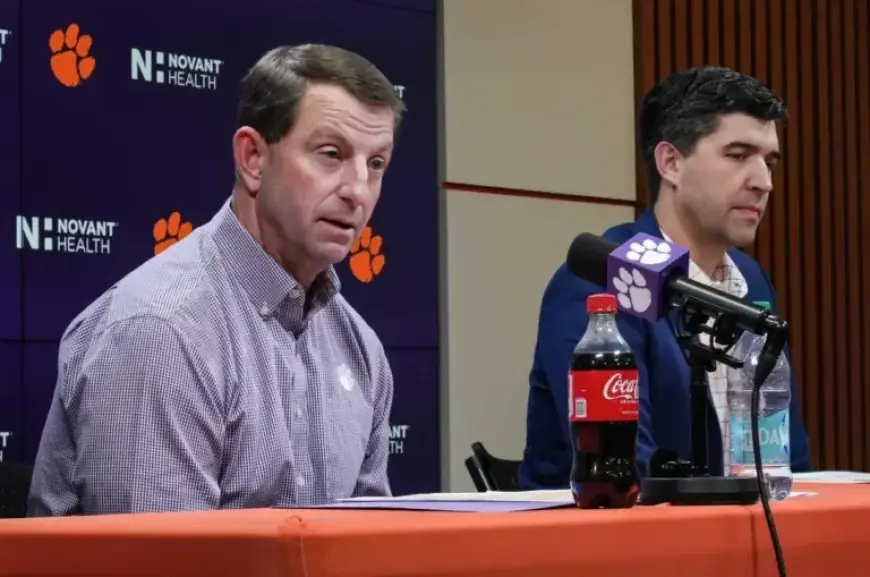
Clemson’s head coach, Dabo Swinney, has made serious allegations against Ole Miss regarding player transfer tampering. During a recent press conference, he accused Ole Miss coach Pete Golding of pursuing a player after he had already committed to Clemson.
Dabo Swinney’s Accusations Against Ole Miss
The focus of Swinney’s remarks was Luke Ferrelli, a linebacker who transferred from California. Ferrelli entered the transfer portal at the start of January and officially signed with Clemson on January 7. He moved to Clemson on January 11, where he rented an apartment, purchased a vehicle, and began attending classes.
Despite Ferrelli settling into his new life with Clemson, Swinney stated that Ole Miss began contacting him shortly thereafter. Swinney detailed a timeline explaining how Ferrelli transitioned to Clemson and how Ole Miss allegedly attempted to recruit him despite his commitments.
Timeline of Events
- January 4: Conversations initiated between Clemson’s management and Ferrelli’s agent.
- January 5: Ferrelli and his father visit Clemson, expressing dissatisfaction with Ole Miss.
- January 6: On-campus visit confirms Ferrelli’s commitment to Clemson.
- January 7: Ferrelli signs a financial aid agreement with Clemson.
- January 11: Ferrelli officially moves to Clemson and starts participating in team activities.
- January 14: Ole Miss allegedly makes contact with Ferrelli while he was in class.
- January 15-16: Continued communication from Ole Miss; Ferrelli reiterates his commitment to Clemson.
- January 16: Ferrelli requests to re-enter the transfer portal.
Swinney stated that Golding had contacted Ferrelli even after he had moved to Clemson, which he classified as a severe violation known as “Tampering 301.” “That’s like a whole other level of tampering,” Swinney commented. He stressed that such actions undermine the integrity of college football.
The Broader Impact of Tampering
Swinney’s concerns extend beyond Ferrelli’s situation. He highlighted a systemic issue in college athletics regarding the lack of consequences for tampering. The NCAA prohibits direct communication with players not in the portal, but enforcement remains unclear, leading to widespread issues.
“If there are no consequences for tampering, then we have no rules and we have no governance,” Swinney stated, emphasizing the need for accountability among coaches.
Conclusions and Future Considerations
This incident has raised significant questions within the college football community about the transfer process and its regulations. Swinney’s public outcry may be a pivotal moment in addressing tampering in college sports.
As accusations of tampering continue to surface, it remains to be seen how governing bodies will respond to prevent these practices in the future. The ongoing evolution of player transfers and compensation highlights a critical juncture in college athletics.