Cruise Visits Drop Significantly in Key State Amid Fleet Reductions

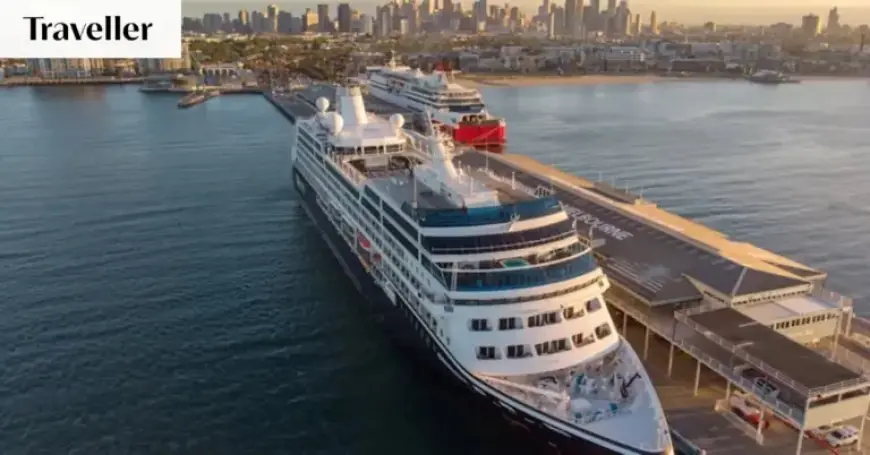
This cruise season in Australia is witnessing significant changes. Despite a thriving atmosphere for cruise enthusiasts, the economic output from the industry is declining. The Australian Cruise Association (ACA) reveals that the cruise sector generated $7.32 billion in economic contributions, supporting 22,720 jobs across the country.
Cruising Trends and Economic Impact
The numbers indicate a shift in behavior among Australian cruisers. A striking 81.5% of passengers opted for domestic voyages, showing a preference for hometown adventures. Hotels have notably benefited, receiving one-third of all spending from cruise passengers. Transportation costs accounted for nearly 12% of total expenditure.
- Economic Output: $7.32 billion
- Jobs Supported: 22,720
- Average Spend per Passenger: $440 per day
- Average Age of Cruisers: 48.4 years
State-by-State Analysis
Different states have experienced varying outcomes this season. New South Wales recorded the highest benefit from cruising, but it also saw a decline of 10.7% in cruise-related economic output. Queensland had more ship visit days but faced a decline of 15.7%. In contrast, Victoria experienced the steepest drop, with a significant 33.3% decrease in its cruise output.
| State | Economic Output Change | Ship Visit Days |
|---|---|---|
| New South Wales | -10.7% | Data Not Specified |
| Queensland | -15.7% | More than NSW |
| Victoria | -33.3% | Fewer than last season |
Challenges Facing the Cruise Industry
The drop in visitor numbers is attributed to a decrease in both the number and size of ships arriving. The fleet shrank from 75 ships to 68, resulting in an overall cabin capacity reduction of 8,174 passengers compared to the previous season. Furthermore, cruise lines are grappling with rising operating costs and regulatory challenges.
Despite these challenges, the number of ports welcoming cruise ships rose to 56, indicating a desire for broader exploration. This includes 1,700 port days, reflecting a decrease from previous seasons but showcasing engagement with diverse destinations.
Looking Ahead
While Australians remain enthusiastic about cruising, the market faces uncertain times. With a growing segment of cruisers under 40 years old, signs indicate a potential shift towards shorter, more affordable voyages. Stakeholders within the industry are keenly observing these trends, as they may redefine the future of cruising in Australia.
In conclusion, the cruise industry in Australia is experiencing a period of adjustment. With declining economic output amidst a substantial local cruising preference, operators must adapt to the evolving landscape to thrive. The future holds promise, but challenges lie ahead.