























“Silent Hill 2 Adaptation: Key Changes in ‘Return to Silent Hill'”

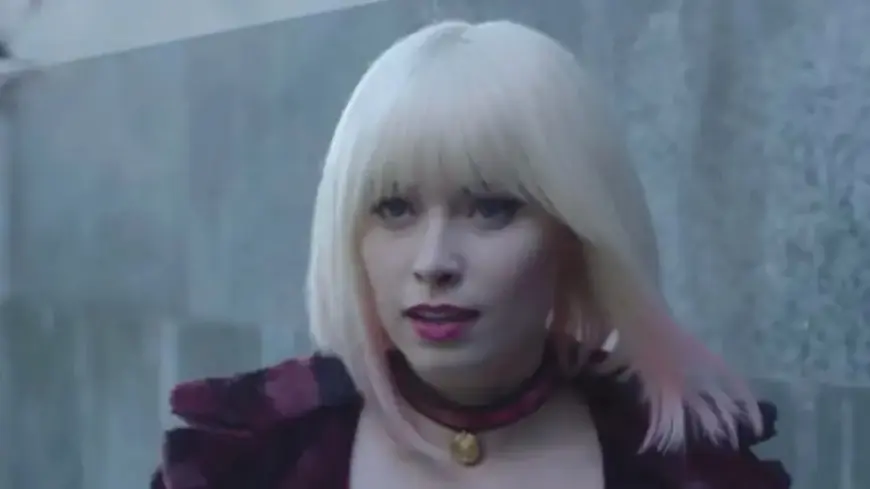
Return to Silent Hill marks a significant moment in the resurgence of the iconic horror franchise. Directed by Christophe Gans, this film serves as a direct adaptation of the revered video game, Silent Hill 2. Familiar to many fans, Silent Hill 2 tells the poignant story of James Sunderland, who travels to the titular town in search of his deceased wife, Mary, motivated by a mysterious letter.
Key Elements of the Adaptation
Jeremy Irvine stars as James Sunderland, leading a cast that includes Hannah Emily Anderson, who portrays both Mary and the character Maria. The film revisits iconic locations such as:
- Brookhaven Hospital
- Heaven’s Night strip club
- Lakeview Hotel
- Parking lot by Toluca Lake
Composer Akira Yamaoka contributes to the film’s atmosphere by providing the musical score, ensuring a strong connection to the original game.
Character Reimagining
While the film aims to remain faithful to the game’s core premise, it introduces several changes that have sparked debate among fans. In Silent Hill 2, Maria serves as a crucial psychological figure for James, embodying his unresolved emotions regarding Mary. However, in Return to Silent Hill, Maria’s role is significantly reduced, and she shares the screen as the same actress portrays multiple characters, including Angela, another vital figure in James’s journey.
Angela’s original narrative, which deals with themes of abuse and personal struggle, is intertwined with Mary’s story. This conflation alters the dynamics of James’s relationships with these characters and shifts the focus away from his internal conflict.
Theme and Tone Differences
Return to Silent Hill modifies the backstory of Mary, presenting her as a victim of the cult known as the Order. This adjustment departs from the game’s exploration of James’s personal guilt over his actions. In the film, Mary’s suffering is initiated by the cult’s manipulations, which undermines the primary emotional journey that James undertakes in the game.
Instead of a selfish act born from frustration, James’s decision to kill Mary is framed as a mercy killing, distorting the original weight of his moral struggle. Consequently, this shift impacts how viewers perceive James, making his choices less complex and layered.
Impact on Supporting Characters
The roles of supporting characters Eddie and Laura are downplayed in the film, which detracts from the original game’s rich emotional landscape. Each character in Silent Hill 2 serves a purpose that mirrors James’s psyche, fostering his development throughout the narrative. Unfortunately, their diminished presence in the adaptation leads to a less profound exploration of the game’s themes of guilt and redemption.
Despite these alterations, Gans maintains a visually compelling atmosphere that captures the essence of Silent Hill. His techniques, including the use of dancers for monster portrayals, add a haunting quality to the film that parallels the unsettling experience of the game.
Conclusion
Return to Silent Hill embraces its source material’s visual and atmospheric elements while navigating new narrative paths. However, many adjustments dilute key character arcs and themes that made the original story impactful. For those seeking an authentic experience of James Sunderland’s journey, the video game remains the definitive version. Filmogaz.com continues to cover adaptations and the evolving landscape of horror media.