

























cURL Ends Bug Bounties to Preserve Mental Health Amid AI Overload

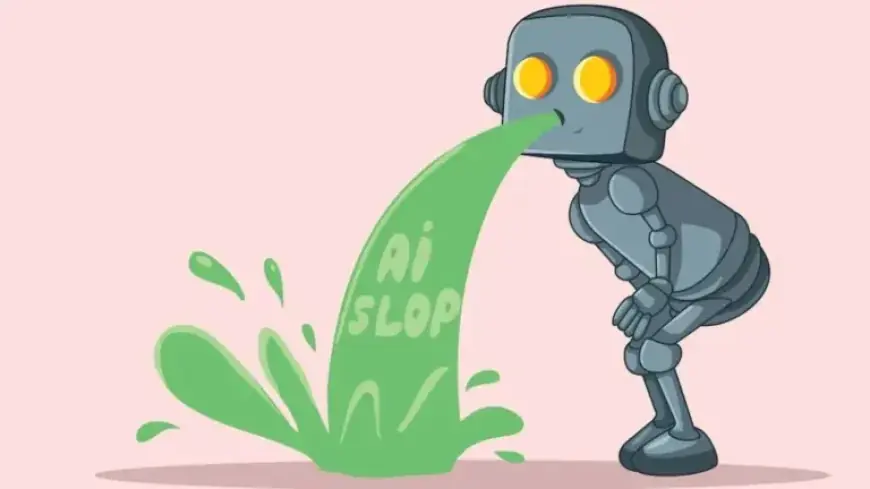
The developer behind the popular networking tool cURL has announced the termination of its vulnerability reward program. This decision follows a surge in low-quality submissions, largely stemming from AI-generated reports. “We are just a small open source project with a limited number of active maintainers,” stated Daniel Stenberg, the founder and lead developer. The cURL team felt it necessary to take measures to safeguard their mental health and the project’s sustainability.
Concerns from Users
Users of cURL voiced their concerns regarding the elimination of the bug bounty program. They argued that this decision addresses the symptoms caused by low-quality submissions rather than the root cause. Many believe that the bug bounty system is crucial for maintaining the security of cURL.
Termination Announcement
The official termination of the program was confirmed via an update on cURL’s GitHub account, effective at the end of this month. In a separate message, Stenberg expressed frustration towards those submitting poor-quality reports, indicating that such submissions would lead to public ridicule and potential bans.
The Historical Significance of cURL
cURL has a rich history, having been first released over thirty years ago under the names httpget and urlget. Today, it serves as an essential tool for many professionals, including administrators, researchers, and security experts.
- Task versatility: file transfers, troubleshooting web software, task automation.
- Built into default operating systems: Windows, macOS, various Linux distributions.
- Security priority: as a widely used tool, maintaining security is essential.
Role of Bug Reports
Historically, cURL has relied on private bug reports from external researchers to identify vulnerabilities. To incentivize quality submissions, the project offered cash bounties for high-severity vulnerabilities. This practice has become increasingly important in ensuring the tool’s reliability and security.
With the current changes, the stakeholders hope to focus on quality over quantity, even if it means sacrificing a traditional method of vulnerability reporting. As AI continues to impact software development, addressing these challenges will be crucial for maintaining effective programs.