


















Jesse Minter to Lead the Ravens: A Defensive Reset That Forces Baltimore’s 2026 Identity Question

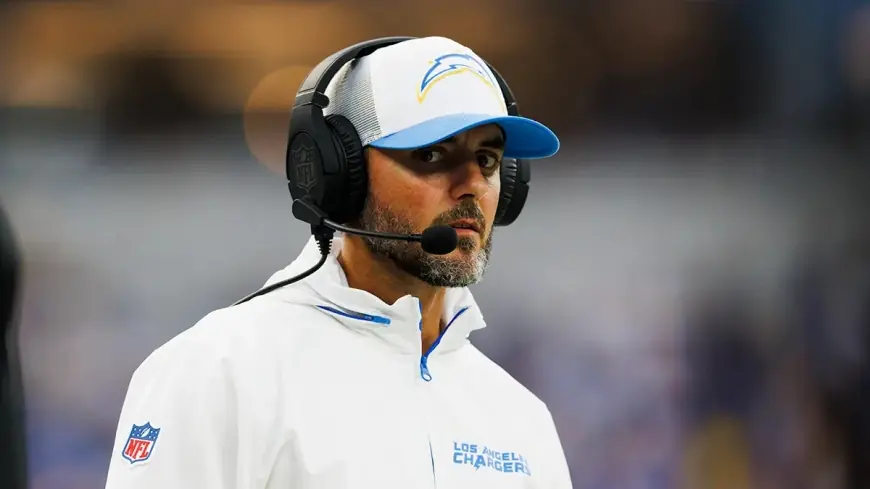
Jesse Minter becoming the Baltimore Ravens’ next head coach is a franchise-defining pivot, not a routine hire. Baltimore is betting that a modern defensive architect can recalibrate the team’s edge in a conference where weekly shootouts are the norm. The immediate stakes are clear: Minter must stabilize a roster built to contend now, reshape the staff around a quarterback-centric offense, and prove the organization can turn a major coaching change into a fast, seamless transition rather than a multi-year rebuild.
A New Head Coach, a New Power Map in Baltimore
Minter’s arrival changes who drives the Ravens’ core decisions—scheme, staffing, and roster priorities—and it does so at a moment when the margin for error is thin. Baltimore has leaned on continuity for years. A new head coach means a new philosophical center: how aggressive the defense plays on early downs, how the staff manages weekly adjustments, and how the front office balances veteran spending versus developing younger starters.
The pressure is heightened because Minter is widely viewed as a “systems” coach—someone hired to install a specific identity rather than simply manage an existing one. That can be a competitive advantage if it hits quickly. It can also expose friction if the offense and defense aren’t aligned on tempo, risk tolerance, and late-game decision-making.
The Hire, the Contract, and Minter’s Coaching History
The Ravens hired Jesse Minter on January 22, 2026, replacing John Harbaugh after the team moved on earlier this month. Minter agreed to a five-year deal, stepping into one of the league’s most scrutinized jobs: leading a veteran contender with a fan base that expects January wins, not transition years.
Minter’s rise has been fast, and it’s built on defense-first credibility:
-
NFL experience in Baltimore: He previously coached with the Ravens (including a stint on the defensive side of the staff), giving him familiarity with the organization’s standards and building blocks.
-
College peak: He coordinated a dominant college defense that finished atop national metrics and capped it with a national championship season, sharpening his reputation for structure and week-to-week game planning.
-
Chargers results: As an NFL defensive coordinator, his units posted top-tier production—most notably a league-leading scoring defense in one season, followed by another year that stayed in the upper tier across major efficiency categories.
That track record explains the hire: Baltimore wants a defense that dictates terms again, not one that merely survives explosive offenses. It also fits the Ravens’ long-running preference for coaches who can develop, teach, and adjust without needing a roster of only blue-chip stars to function.
Just as important is how Minter connects to the current locker room. Only a small number of Ravens players remain from his previous time with the team, which means he’s not walking into a room full of “his guys.” That can be freeing—less history to manage—but it also means he must earn trust quickly through clarity, consistency, and results.
Staff Questions: Kliff Kingsbury, the Offense, and Quarterback Influence
The biggest open question is not whether Minter can design a defense. It’s what the Ravens’ offense will look like under a defensive head coach.
Baltimore’s quarterback situation makes this unusually sensitive: the organization has openly signaled that the franchise quarterback will have meaningful input in the direction of the next era, including how the offensive staff is shaped. That’s where names like Kliff Kingsbury enter the conversation—not as a settled outcome, but as a signal of the type of offensive approach Baltimore may prioritize: quarterback-friendly spacing, quicker answers versus pressure, and a structure that can survive injuries along the line or at receiver.
In practical terms, Minter’s first months will be judged on two hires:
-
Offensive coordinator and quarterback coach (the weekly identity of the team)
-
Defensive line and secondary leadership (how quickly the new system takes hold)
If those appointments land, Baltimore can transition with speed. If they don’t, the Ravens risk becoming a team with a great defense and an offense that feels patched together week to week.
What This Means Next
Short-term changes
-
The Ravens will move quickly through staff-building, prioritizing offensive structure and play-calling clarity.
-
Defensive installation begins immediately, with an emphasis on communication and situational mastery (third down, red zone, late-game).
-
Roster decisions will tilt toward players who fit Minter’s tempo and assignment discipline, especially in the secondary and at linebacker.
Who benefits and who loses (neutral)
-
Benefits: Defensive veterans benefit if the scheme maximizes strengths and reduces stress snaps; young defenders benefit if roles become clearer and more repeatable.
-
Loses: Players who rely on freelancing or inconsistent effort can lose snaps in a system that values precision; fringe depth can be squeezed if the staff prioritizes “fits” over familiarity.
What to watch next
-
Whether Baltimore hires an offensive leader with a distinct identity—or opts for a committee-style approach that spreads responsibility.
-
Early signals on personnel: extension talks, potential veteran departures, and which defensive positions get prioritized in the draft.
-
How quickly the team’s on-field “personality” becomes recognizable under Minter—because in Baltimore, the expectation isn’t simply change. It’s change that wins immediately.