
























Exploding Trees in Extreme Cold: The Real Winter Risk Behind the “Boom” Sounds

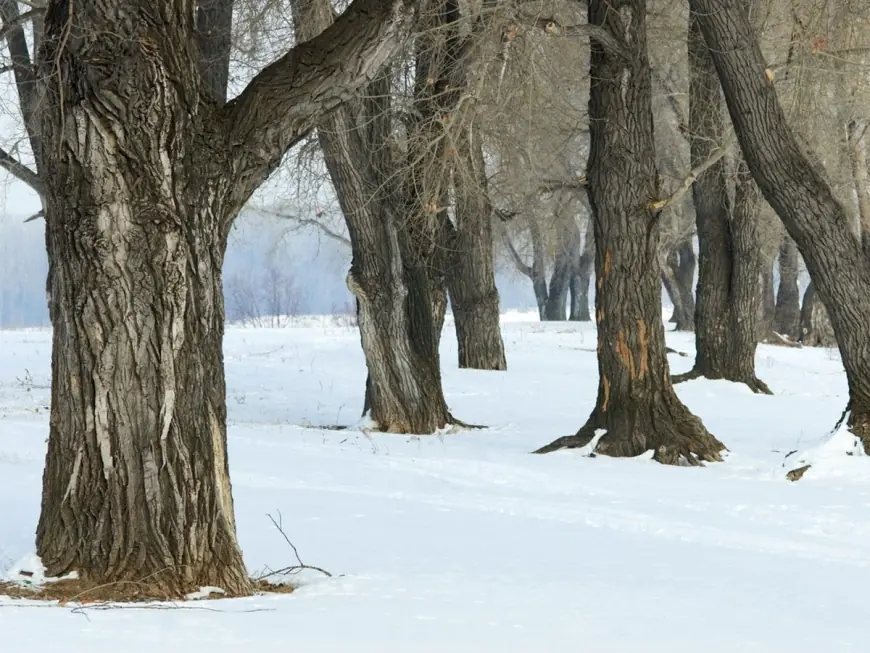
In recent days, talk of “exploding trees” has surged as extreme cold grips parts of the Upper Midwest and Northern Plains. The phrase is dramatic, but the underlying risk is real: trees can split suddenly in frigid weather, sometimes with a sharp crack that sounds like an explosion. For homeowners and anyone walking near older trees, the practical issue isn’t a blast—it’s falling limbs, sudden trunk failures, and the hidden damage that can make a tree unstable long after temperatures rise.
Exploding Tree Risk: What’s Known, What’s Overstated
Trees don’t detonate like fireworks in winter. What people often experience is a sudden wood split—a rapid crack that can travel along the trunk or a major limb. The noise can be startling, especially at night, and it’s easy to label it an “explosion” when it echoes across a frozen neighborhood.
The uncertainty lies in prediction. You can’t reliably point to one specific tree and say it will crack at 2 a.m. But you can identify conditions that raise the risk:
-
Fast temperature drops (especially after a relatively mild stretch)
-
Bright winter sun warming bark on one side, followed by rapid cooling after sunset or shade
-
High moisture in the wood and sap that can freeze and expand
-
Existing weaknesses: old wounds, internal rot, previous storm damage, or tight branch angles
This is why the “exploding trees” talk flares during deep cold snaps: the atmosphere sets up the perfect stress test for wood.
Trees Exploding From Cold: What’s Actually Happening Inside the Trunk
The most common winter mechanism is often called a frost crack. It’s basically physics plus biology:
-
Outer layers cool and shrink faster than inner wood, especially when temperatures plunge quickly.
-
That mismatch builds tension along the grain.
-
The stress releases suddenly as the wood splits, producing a loud report.
Moisture plays a role too. When water in the tree’s tissues freezes, it expands. Expansion alone doesn’t “blow up” a tree, but combined with contraction of outer layers and structural flaws, it can contribute to cracking or limb failure.
A key detail: a tree can crack even when the air is below freezing all day. Sun can still warm bark significantly, then nighttime cold hits like a hammer. That warm-then-cold swing is one reason cracks often get reported after sunset.
Exploding Trees in Winter: Who’s Most at Risk
Not every yard is equally vulnerable. The highest risk situations tend to involve:
-
Mature trees near homes, sidewalks, and driveways
-
Trees with visible damage: long vertical seams, old pruning wounds, peeling bark, fungal growth, cavities
-
Species prone to winter splitting (varies by region and tree health)
-
Trees in exposed locations where wind and rapid cooling are stronger
If you’re hearing repeated sharp cracks during an extreme cold spell, it doesn’t automatically mean trees are failing around you—but it does mean conditions are favorable for stress fractures and brittle breakage.
Can Trees Explode in Extreme Cold? Practical Safety Steps
If your area is experiencing an intense cold snap, treat it like a “falling branch” weather event.
During the coldest period
-
Avoid lingering under large limbs, especially on older trees.
-
Keep pets on a shorter leash near big street trees.
-
Park away from large overhanging branches if you have a choice.
-
Don’t shake branches to knock off snow or ice; in severe cold, wood can be brittle.
What to look for after the cold
-
Fresh vertical splits or a seam that wasn’t there before
-
New leaning, especially from the base
-
Drooping limbs or branches hanging lower than normal
-
Bark that looks newly separated or lifted
What not to do
-
Don’t climb a tree you suspect has cracked.
-
Don’t try to “bind” a split trunk with straps or hardware yourself; it can worsen damage and create hazards.
If you see a major crack in a trunk or a large limb split, it’s safer to keep people away from the area and have a qualified arborist assess it.
What This Means Next
Extreme cold talk often fades as soon as the forecast moderates, but tree damage can linger into late winter and spring.
Short-term changes
-
Expect more reports of loud cracks during overnight lows and rapid temperature drops.
-
Watch for delayed limb failures a day or two after the coldest nights, especially when wind picks up.
Who benefits and who loses (neutral)
-
Benefits: property owners who inspect trees early can prevent damage by removing hazardous limbs before the next wind event.
-
Loses: neglected, aging trees near structures are more likely to become costly problems after a severe cold snap.
What to watch next
-
A shift from “cracking sounds” to cleanup calls: downed limbs, split trunks, and leaning trees.
-
Another rapid warm-up followed by a sharp freeze, which can repeat the stress cycle.
-
Spring leaf-out: some cracks and internal damage only show up when a tree fails to leaf normally or drops branches unexpectedly.
The takeaway: “exploding trees” is a catchy label, but the real winter hazard is straightforward—cold-stressed wood can split, and brittle branches can fall. Treat extreme cold like a quiet storm: the danger isn’t always visible until something gives way.