

























Trump Administration Ceases NIH-Funded Human Fetal Tissue Research

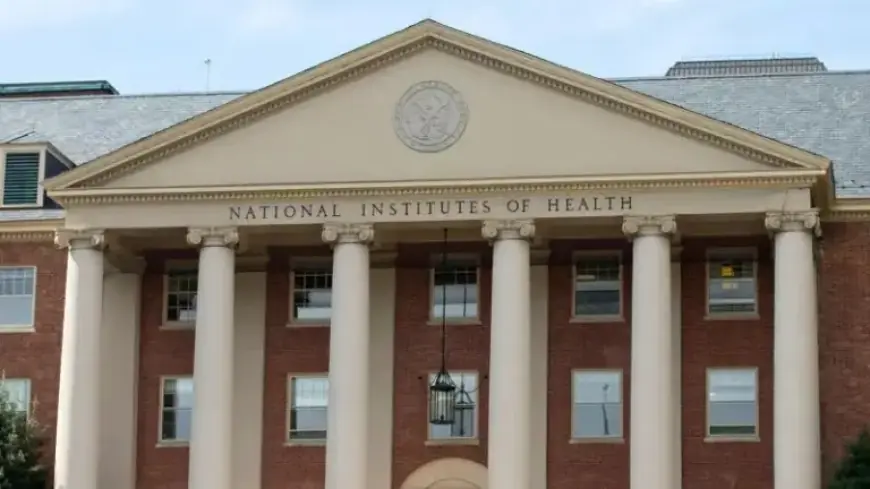
The Trump administration has officially ended the use of human fetal tissue in research funded by the National Institutes of Health (NIH). This decision, announced on Thursday, reinforces previous restrictions established during Trump’s presidency and aligns with the long-standing wishes of anti-abortion advocacy groups.
Impact of the Policy Change
Historically, the NIH has supported research utilizing fetal tissue for decades, under both Democratic and Republican governments. This tissue is often discarded but has played a vital role in advancing research aimed at combating diseases such as HIV and cancer.
Despite claims from opponents who argue that alternatives exist, many scientists contend that sufficient substitutes are not available for all research purposes.
NIH’s Position on Fetal Tissue Research
NIH Director Jay Bhattacharya stated that the agency has set forth policies for the responsible use of human fetal tissue in biomedical research. A noticeable decline in the use of such tissue has been seen since 2019.
The agency’s funding report for 2024 indicates there were only 77 projects involving fetal tissue. This marks a significant reduction in research projects utilizing this biological material compared to previous years.
Previous and Current Restrictions
| Administration | Policy Changes | Research Impact |
|---|---|---|
| First Trump Administration | Ended fetal tissue use on NIH campus | Set additional funding hurdles for non-government research |
| Biden Administration | Lifted prior restrictions on funding | Enabled wider research opportunities |
| Trump Administration (2023) | Extended restrictions to cover all NIH-funded research | Further limitations on fetal tissue use |
NIH documents clarify that while this new directive halts the use of fresh fetal tissue in research, it does not prohibit the utilization of established “cell lines” derived from fetal cells. These lines consist of cloned cells, such as embryonic stem cells, which have been modified to grow indefinitely in laboratory settings.
Future Directions for NIH
Looking ahead, NIH plans to solicit public comments on ways to potentially lessen or replace dependency on human embryonic stem cells. This reflects an ongoing dialogue about the ethical dimensions and scientific viability of fetal tissue in research.
The recent policy shift signifies a pivotal moment in the intersection of biomedical research, ethics, and public policy, reshaping how scientific inquiries are conducted in the realm of NIH funding.