

























Kamchatka Snowfall 2026: How Russia’s Far East Is Digging Out—and Why the “Snow Storm” Story Now Includes AI Misinformation

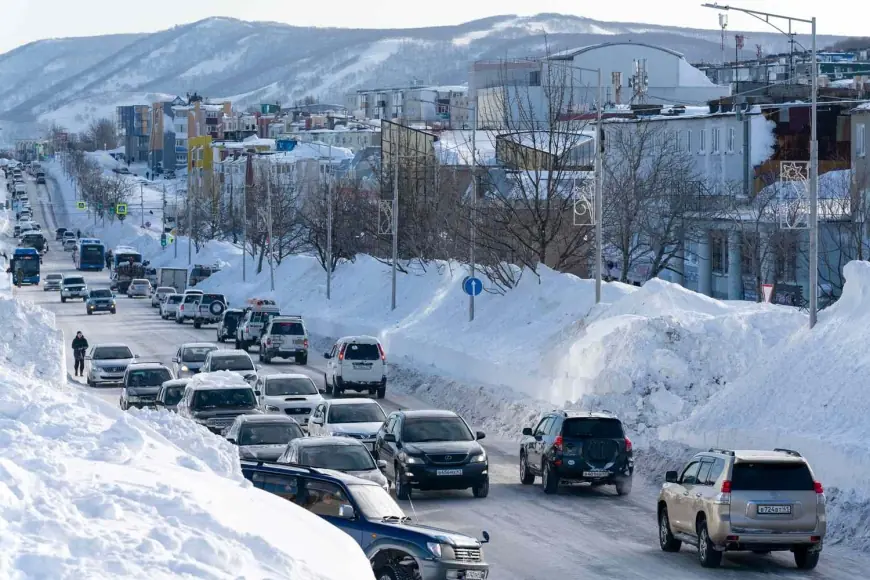
Russia’s Kamchatka Peninsula is dealing with a winter hit that’s felt less like a rough week and more like a systems test: blocked building entrances, cars buried to window height, and daily routines rewritten around snow removal and limited mobility. For residents in and around Petropavlovsk-Kamchatsky, the immediate impact is practical—getting to work, moving supplies, keeping roads passable. But the broader takeaway is twofold: extreme snowfall is straining local transport and emergency response, and the online narrative has been complicated by AI-made videos that exaggerate what’s happening on the ground.
Kamchatka’s day-to-day disruption is the real story, not the viral clips
When snow reaches a point where doors won’t open and streets become trenches, the crisis isn’t just weather—it’s access. That’s why the most telling developments have been operational:
-
Public transport interruptions and route changes as buses struggle with deep drifts
-
All-terrain vehicles stepping in on key routes when standard vehicles can’t move reliably
-
Dig-out operations focused on entrances, emergency lanes, and high-traffic corridors
-
Risk spikes from roof loads, reduced visibility, and delayed response times in neighborhoods where plows can’t keep pace
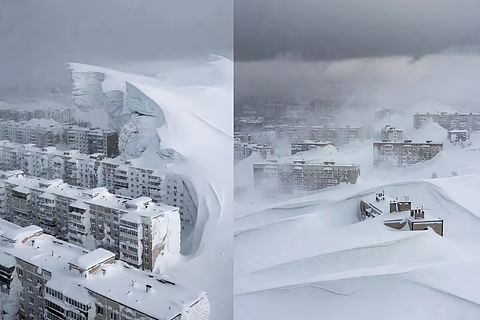
What’s making this storm cycle stand out is the scale being discussed locally: the heaviest snowfall in roughly six decades, with drifts rising several meters in places. That kind of accumulation turns snow removal into a continuous operation rather than a cleanup.
At the same time, the internet has added confusion. Alongside real footage, AI-generated videos have circulated that depict impossible scenes or exaggerated depths. The practical consequence is that it becomes harder for people outside the region to distinguish genuine safety updates from eye-catching fiction—especially when the real situation is already dramatic.
What’s happened so far in the Russia snow storm 2026, especially in Kamchatka
The snow story in Russia’s Far East has been building across December and early January, culminating in a storm sequence that left Kamchatka unusually buried. The most consistent picture is heavy, repeated snowfall that kept stacking faster than crews could clear.
Key benchmarks that have emerged in reporting and monitoring summaries include:
-
Petropavlovsk-Kamchatsky in December: around 370 mm of snowfall, described as more than triple a typical monthly average
-
January 1–16: around 163 mm of snowfall, pushing snow depth to about 170 cm on average in the city
-
Drifts in some neighborhoods: reported as exceeding 2.5 meters, enough to bury cars and block entryways
This has not been isolated to one street or one day. It’s been a multi-storm grind where each new round of snow resets progress, forcing crews to re-clear the same arteries.
Timeline snapshot
| Window | What changed |
|---|---|
| December 2025 | Heavy snowfall begins stacking consistently |
| Jan 1–16, 2026 | Accumulation accelerates; city snow depth rises sharply |
| Mid-to-late January 2026 | “Dig-out” phase: transport disruptions, emergency access priorities, intensified clearing |
There’s also a regional context: winter weather across parts of northeast Asia has disrupted transport beyond Russia, including flight and travel impacts in neighboring areas during the same broader cold-weather pattern. But Kamchatka remains the epicenter of the most visually and logistically extreme conditions.
What This Means Next
In the short term, the outcome hinges on whether snowfall eases long enough for crews to widen cleared corridors and reduce drift re-formation. The priority list is predictable: keep emergency routes open, prevent roof-related incidents, and restore dependable transit for workers and supplies.
Who benefits (neutral, practical sense):
-
Residents in central corridors that get prioritized plowing and quicker restoration of transport links
-
Operators with specialized equipment (all-terrain vehicles, heavy snow-moving machinery) who can function when standard fleets can’t
Who loses (most exposed):
-
Outlying neighborhoods where drift depth and narrower roads slow clearing cycles
-
People reliant on daily travel for work, medical care, or caregiving—especially if routes remain unreliable
-
Public information quality, if AI-generated storm videos continue to drown out real, location-specific safety guidance
What to watch next:
-
Whether local snow depth readings stabilize or continue rising with fresh systems
-
Any sustained reopening of normal bus routes versus continued reliance on specialized vehicles
-
Public safety advisories focused on roofs, visibility, and road closures
-
The spread of misleading “Kamchatka snowfall” clips—and whether local officials and community groups begin posting clearer verification cues
Kamchatka’s snowfall is already extreme without embellishment. The next phase is less about shock value and more about endurance: clearing, reopening, and keeping essential access intact while the weather decides whether it’s done piling on.