





















Do Trees Explode in Extreme Cold? The Surprising Truth

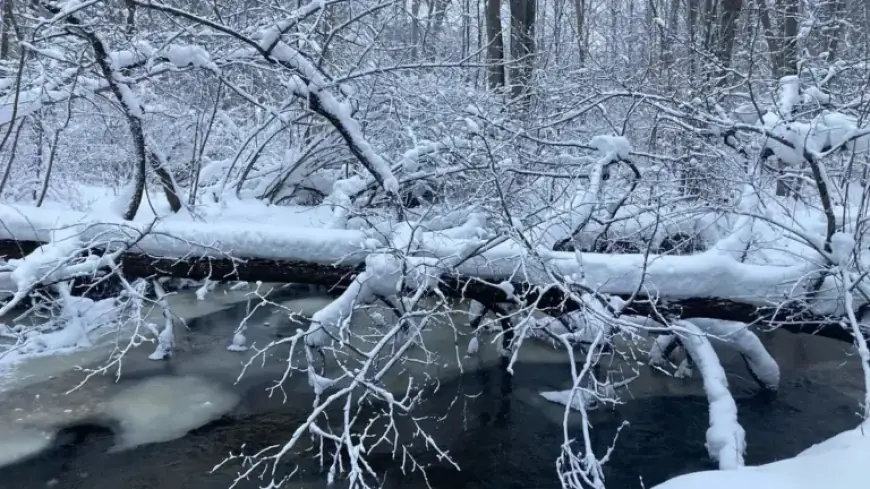
As temperatures plummet during winter, many individuals are concerned about the potential impact on trees. Recent discussions on social media have suggested that extreme cold can lead to trees exploding. However, experts clarify that this is an exaggeration.
The Reality of Frost Cracks in Trees
Bill McNee, a forest health specialist with the Wisconsin Department of Natural Resources (DNR), has weighed in on the subject. He notes that a rapid temperature drop can lead to a phenomenon known as frost cracks. These cracks develop in trees and are often accompanied by a loud noise.
Understanding Frost Cracks
- Frost cracks are vertical openings that may extend deep into a tree’s woody structure.
- They commonly occur in tree trunks, although branches can also be affected.
- Thin-barked species like maples, lindens, and sycamores are particularly susceptible.
According to McNee, these cracks happen because the sap inside trees freezes at a different temperature than water. This freezing can lead to buildup pressure, causing the tree’s exterior and interior to contract unevenly.
The Exploding Trees Myth
Despite the loud cracks and some branches falling, it is extremely unlikely for a tree to fully explode due to frost cracks. McNee points out that while reports of such events have circulated, actual explosions are rare. Most trees will eventually heal from these wounds, although serious cracks can expose them to disease or decay.
Evaluating Tree Damage
Individuals who observe significant cracks in trees are advised to consult an arborist. This professional evaluation can determine whether the tree poses a safety risk, especially as severe weather events unfold.
Extreme Cold Conditions Across the U.S.
As winter continues, an arctic front is anticipated to bring severe cold to several regions from January 22 to January 26. The National Weather Service predicts dangerously low wind chills, particularly across states like Illinois, Minnesota, and the Dakotas, where conditions could feel as cold as -60°F.
Wind chill factors ranging from 10 degrees below zero to 20 degrees are expected from the Northeast to states as far south as New Mexico and South Carolina. Additionally, heavy snowfall is on the way, impacting areas from the Southern Rockies through the Mid-Atlantic.
Other Winter Weather Phenomena
Frost cracks aren’t the only unusual winter weather effects. The following phenomena are also noteworthy:
- Thundersnow: A rare event where snow accompanies thunderstorms.
- Pancake Ice: Formed when ice chunks collide and create round disks on water surfaces.
- Snow Rollers: Cylindrical snow formations created by wind or gravity.
- Frost Quakes: Occur when freezing water expands underground, creating surface cracks.
Understanding these weather patterns, particularly those affecting trees, can help homeowners take necessary precautions during severe winter conditions.