
























Sherrone Moore’s legal challenge puts the spotlight on the arrest warrant—and raises the stakes for what comes next

The Sherrone Moore case is now tilting toward a narrow but high-impact question: whether the arrest warrant that launched the criminal case can withstand scrutiny. That procedural fight matters because it can reshape everything that follows—timelines, leverage in negotiations, and the likelihood this ends quietly or turns into a prolonged courtroom test. For Moore, the former Michigan head coach, the outcome will influence not only potential penalties but also whether his public story remains tied to allegations or shifts to the conduct of the investigation itself.
A case turning on uncertainty: if the warrant weakens, the whole path changes
On January 22, 2026, Moore’s attorney filed motions seeking to quash the arrest warrant and dismiss the complaint, arguing the warrant relied on false or misleading statements presented as fact. That approach is strategic: rather than contesting every allegation in public, the defense is challenging the legal foundation of the case at the front door.
If a judge agrees that key statements were improperly presented—or that the warrant process was flawed—the prosecution may be forced to rebuild the case with cleaner documentation and testimony, or risk losing parts of it. If the judge rejects the challenge, the case likely moves forward with more conventional steps: probable-cause litigation, evidence fights, and pressure on both sides to prepare for trial or a plea resolution.
Even without any ruling yet, the filing itself changes the texture of the case. It signals the defense intends to contest credibility and procedure, not just argue for leniency. It also puts additional attention on what records exist—messages, call logs, and any documentation tied to the university investigation—because procedural challenges often hinge on what was included, what was left out, and how claims were framed.
What happened in court, and what the charges involve
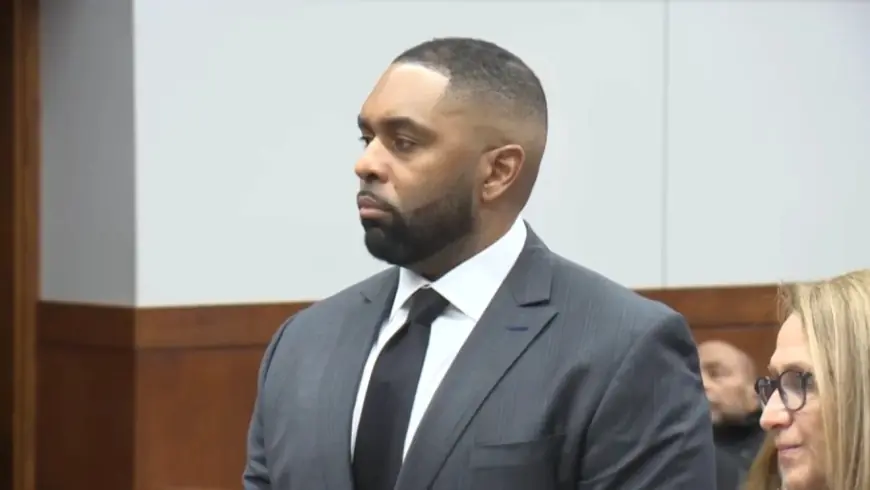
Moore appeared in court on January 22 for a conference tied to the criminal case. His attorney told the court the defense wants time to review materials, including phone records and documents connected to the university’s process, and the court schedule was adjusted to allow that work.
Moore faces three charges stemming from allegations tied to a December 10 incident:
-
Third-degree home invasion (felony)
-
Stalking in a domestic relationship (misdemeanor)
-
Breaking and entering (misdemeanor)
He has pleaded not guilty and, under current bond conditions, must wear a tracking device while the case proceeds.
The criminal allegations sit alongside the separate employment fallout: Michigan fired Moore in December 2025 after a university investigation found he violated policy through an inappropriate relationship with a staff member and then was not truthful during the investigation. That separation matters. The university’s decision is not the same thing as a criminal conviction, but the two tracks can intersect through documents, witness statements, and timing—especially if university materials become relevant to court filings and hearings.
A key practical point is that this legal phase is not about final guilt or innocence; it is about whether there is sufficient legal basis to keep moving forward under the current charging documents, and whether the defense can narrow—or derail—the case before deeper litigation begins.
What This Means Next
The calendar is now the story as much as the allegations.
-
Near-term milestones: A hearing is scheduled for February 17, 2026 to consider the defense motion to quash the arrest warrant and dismiss the complaint. A probable-cause hearing is set for March 19, 2026, reflecting added time for the defense to review records and prepare arguments.
-
Who benefits if the warrant is weakened: Moore benefits most, because dismissal or a forced rewrite of the case can reduce exposure and shift leverage. The university also benefits indirectly if court proceedings clarify what can be substantiated and what cannot, limiting ongoing uncertainty around the program’s recent past.
-
Who loses if the case stretches out: Everyone connected to Michigan football’s reputation takes some drag from prolonged attention—recruits, donors, administrators, and players who want the conversation to move back to football. Moore also loses time and options if proceedings become a long public process, regardless of outcome.
-
What to watch:
-
Whether the judge orders deeper review of what supported the original warrant
-
Whether university-related documentation becomes part of the evidentiary fight
-
Any changes to bond conditions or scheduling that signal the court expects a longer, more contested path
-
For now, the Sherrone Moore case sits in a high-uncertainty corridor: one ruling on the warrant can either compress the timeline dramatically or lock in months of incremental, high-attention legal steps.