

























Starfish Space Secures SDA Contract to Deorbit Satellites

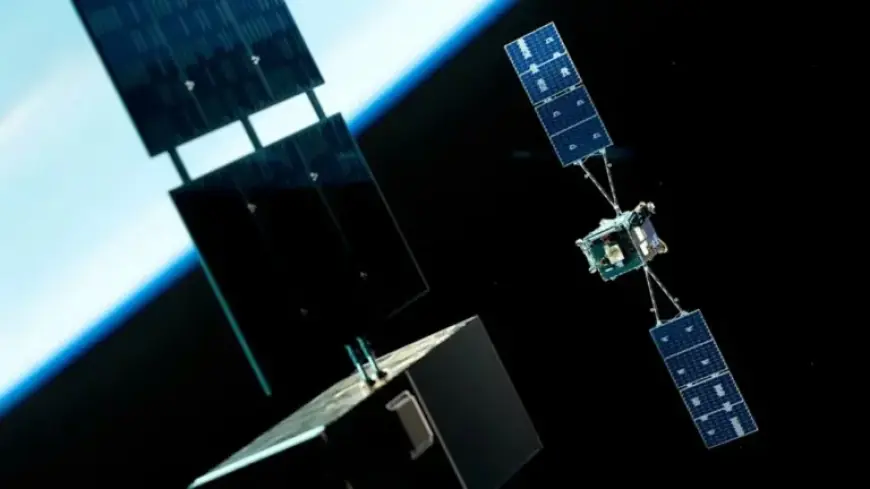
Starfish Space, a Seattle-based aerospace company, has secured a major contract to assist the Space Development Agency (SDA) with satellite deorbiting. The contract, announced on January 21, is valued at $52.5 million and aims to provide “deorbit as a service” for spacecraft in the Proliferated Warfighter Space Architecture (PWSA).
Details of the SDA Contract
This contract marks a significant step in the evolution of satellite servicing. Starfish Space will deploy its Otter space tug in 2027. The aim is to dock with a PWSA satellite that cannot deorbit itself. Once attached, the Otter will lower the satellite’s orbit, facilitating a quicker reentry.
- Contract value: $52.5 million
- Mission year: 2027
- Services: “Deorbit as a service”
- Contracted spacecraft: Otter
About the Proliferated Warfighter Space Architecture
The PWSA features two main components:
- Tracking Layer: Satellites for missile detection.
- Transport Layer: Satellites for communication purposes.
The current contract covers the deorbiting of one PWSA satellite. However, additional options exist for multiple satellites, all serviced by the same Otter spacecraft. This lays the foundation for expanding Starfish’s role in the satellite servicing market.
Background and Technical Capabilities
Trevor Bennett, CEO of Starfish Space, mentioned that this contract follows a successful study undertaken for the SDA in 2024 and 2025. This study validated the feasibility of satellite deorbiting by demonstrating actual capabilities rather than theoretical proposals.
Starfish Space’s Otter tug is specifically designed to rendezvous with satellites that lack docking mechanisms, which is the case for current PWSA satellites. Bennett noted that design information on the satellites, while beneficial, is not a strict requirement for successful operations.
Starfish’s Growing Portfolio
This SDA contract adds to Starfish’s existing backlog, which includes:
- A U.S. Space Force satellite servicing mission
- A NASA satellite inspection mission
- A life extension project for a geostationary communications satellite with Intelsat
Bennett emphasized that this contract signifies the increasing maturity of the satellite servicing industry. He highlighted that it is a service contract rather than a research and development initiative, showcasing a real market for deorbiting services.
Future of Satellite Servicing
Starfish is actively testing critical technologies for the Otter spacecraft. In the previous year, the company completed successful proximity operations tests in partnership with Impulse Space. These tests demonstrated the ability to maneuver satellites without physical contact.
Bennett expressed optimism about the demand for satellite servicing, stating, “There’s more demand than what we can fly Otters at the moment.” The company aims to build on early successes as they continue to develop their capabilities.
In conclusion, Starfish Space’s contract with the SDA marks a notable advancement in satellite deorbiting services, further solidifying the company’s position in the growing aerospace sector.