























“The Beauty” Fails to Impress Critics and Audiences Alike

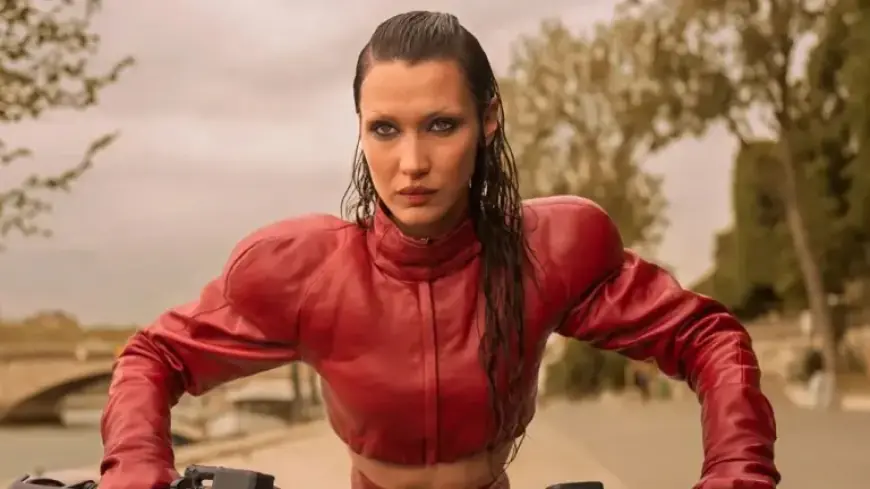
Ryan Murphy’s latest horror-thriller, “The Beauty,” has recently premiered on FX. The series follows a chilling concept where a virus transforms individuals into perfect physical specimens. This transformation, however, comes with a dark twist: the enhancements are temporary and last only about two years before a horrific fate befalls those infected.
Plot Overview
The story centers around Byron Forst, played by Ashton Kutcher, a biotech CEO who markets the virus as “The Beauty,” referring to it as an “injectable Instagram filter.” This visually arresting transformation leaves individuals unrecognizable to friends and family, highlighting societal obsessions with beauty.
Key Themes and Contemporary Issues
- Social Commentary: The show cleverly addresses current anxieties surrounding beauty treatments, such as GLP-1 medications like Ozempic.
- Beauty Standards: It explores the regressive trends in body positivity within a landscape increasingly dominated by social media.
- Character Dynamics: The narrative features two jet-setting F.B.I. agents who investigate mysterious deaths linked to the viral phenomenon.
“The Beauty” draws inspiration from a 2016 graphic novel of the same name, although Murphy’s adaptation resonates with contemporary issues. The show critiques the resurgence of thinness as the ideal, often exacerbated by the influence of weight-loss drugs and digital alterations.
Character Analysis
One of the standout characters is Jeremy, played by Jaquel Spivey and later by Jeremy Pope, an emotionally stunted young man ensnared by societal pressures. His journey through the series highlights the intersections of beauty and self-worth, often through a comedic lens that examines his misguided aspirations.
Celebrity Influence and Cultural Impact
In its narrative, “The Beauty” features elements of celebrity culture, including the backlash surrounding public figures like Meghan Trainor. The series capitalizes on the contrast between affluence and accessibility regarding cosmetic enhancements and beauty standards.
Reception and Overall Impressions
Despite its intriguing premise, “The Beauty” has faced a mix of critical reception. The show grapples with integrating numerous guest appearances and extravagant moments while attempting to maintain narrative coherence. Critics have pointed out that the abundance of characters and events sometimes overshadows the underlying message.
Conclusion
In summary, “The Beauty” presents a visually engaging but morally complex take on contemporary beauty culture. It oscillates between societal critique and entertainment, leaving audiences to question the real costs of beauty standards in modern society. As the series unfolds, it remains a timely reflection on our fixation with appearance and the lengths individuals go to achieve it.