
























MLB Owners Risk Game Losses Over Salary Cap After Kyle Tucker Deal

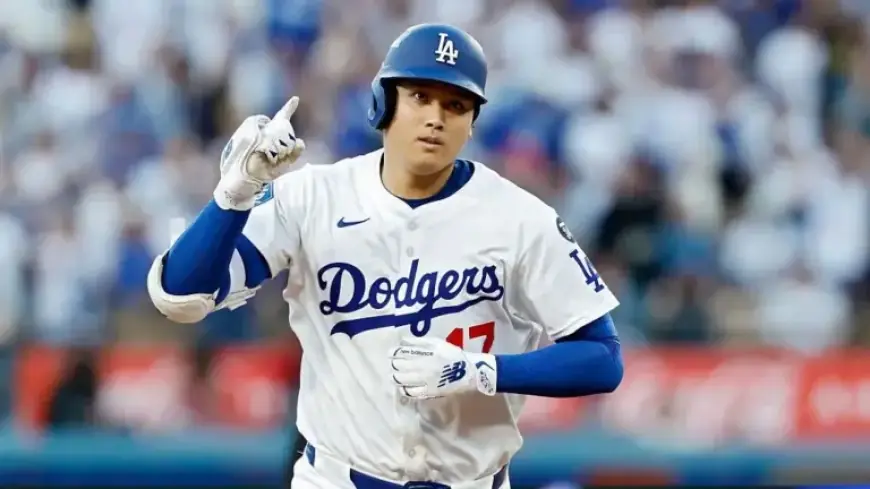
The landscape of Major League Baseball (MLB) is on the brink of significant upheaval as the collective bargaining agreement is set to expire in December 2026. A pivotal moment occurred recently when the Los Angeles Dodgers signed Kyle Tucker, a former Chicago Cubs player, to a four-year deal worth $240 million. This scenario has ignited intense discussions around the idea of a salary cap in MLB.
Impact of Kyle Tucker’s Deal on MLB Owners
Tucker’s substantial contract has caused notable unrest among MLB owners. Most teams, several of whom face financial strains, view this as a reason to advocate for a salary cap during upcoming negotiations with the Players Association. Reports indicate that ownership discussions are fraught with frustration, with some owners expressing outrage over the Dodgers’ willingness to spend on talent.
A source from The Athletic disclosed that the urgency to implement a salary cap is now “a 100 percent certainty” following Tucker’s signing. Such measures could risk canceling games in the 2027 season if owners cannot reach an agreement, which could be detrimental to the league’s growth and viewership.
The Case Against a Salary Cap
While owners may push for a salary cap, many players and industry experts argue that it will not resolve underlying issues within the league. Salary caps restrict players’ earning potential and do not ensure competitive balance across teams. Historical data suggests that even with a cap, larger markets like the Dodgers and Yankees will maintain their advantages in acquiring talent.
Comparing Payrolls in MLB
Examining payroll figures from recent seasons reveals disparities that a salary cap may not address. Here is a breakdown of some teams’ total payrolls from 2022 to 2025:
| Team | Total Payroll (2022-2025) |
|---|---|
| Boston Red Sox | $824 million |
| LA Angels | $705 million |
| San Francisco Giants | $698 million |
| St. Louis Cardinals | $688 million |
| Colorado Rockies | $591 million |
| Arizona Diamondbacks | $527 million |
| Milwaukee Brewers | $453 million |
| Cleveland Guardians | $356 million |
| Cincinnati Reds | $337 million |
Consequences of Salary Cap Implementation
Adopting a salary cap would not necessarily create a level playing field. Teams like the Oakland Athletics, White Sox, and Marlins historically underfund their rosters, regardless of league-wide spending limits. Even if forced to adhere to a cap, they may not compete effectively against wealthier organizations.
Player recruitment will remain heavily weighted in favor of teams in big markets, limiting smaller teams’ ability to attract top talent. Ultimately, imposing such measures may only serve to increase profits for ownership groups while diminishing the competitive quality of the league.
Conclusion
The ongoing discussions surrounding a salary cap in MLB could mark a pivotal moment in the sport’s future. While owner frustrations mount, it is essential to consider the potential repercussions. Disrupting the season to placate ownership may alienate fans and negatively impact future growth.
As negotiations approach, the focus should shift toward equitable revenue distribution and smart spending practices rather than punitive cap systems that may hinder player earnings and league competitiveness.