House Prices Plummet in Wealthy London Boroughs Amid Budget Speculation

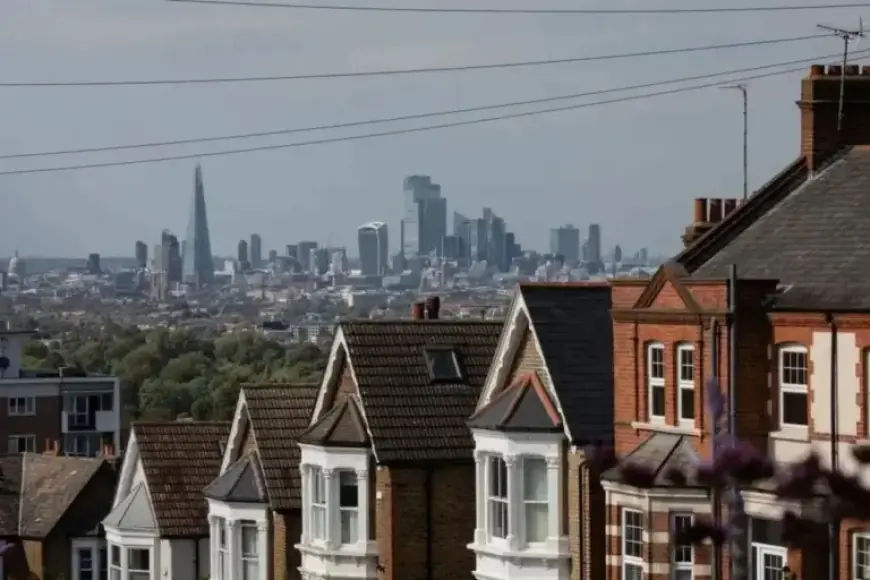
Recent trends indicate a dramatic shift in the housing market within London’s wealthiest boroughs. Following budget speculation, house prices in these affluent areas have experienced a significant decline, presenting the largest decrease since the global financial crisis.
House Prices See Significant Decline
In November, house prices in Inner London dropped by 4.6% year-on-year, following a previous decline of 4.3% in October. This steady decline marks the largest reduction since the financial crisis when prices fell at double-digit rates.
- Average house prices in Kensington and Chelsea fell by 16.3% to £1.19 million.
- Westminster saw a drop of 15.5% to £866,000.
- In contrast, outer London areas like Havering and Bromley reported price increases of 5.2% and 6%, respectively.
The net effect is an overall average property price in London, now approximately £553,000, down 1.2% due to rising prices in surrounding areas.
Budget Speculation Impacting Demand
Leading up to Chancellor Rachel Reeves’ Autumn Budget, speculation regarding increased property taxes led to a cautious approach among potential buyers. Many opted to ‘wait and see’ how budget changes would affect the market.
In her budget speech, Reeves introduced a high-value council tax surcharge. This surcharge applies to properties valued over £2 million, set to take effect in April 2028. The structure includes:
- £2,500 for properties valued between £2 million and £2.5 million.
- £7,500 for properties exceeding £5 million.
The measure is forecasted to generate £0.4 billion for the government by the 2029-30 financial year. However, it will not remain with local councils.
Market Conditions and Rental Prices
Despite falling house prices, London continues to have the highest rental costs in the UK, averaging £2,268 compared to just £762 in the North East. This disparity is driven by a dwindling supply of rental properties, as many landlords are exiting the market.
Nathan Emerson, chief executive of Propertymark, highlighted ongoing concerns over legislation that impacts landlords. Increased complexities in tax regulations also place further pressure on the rental market.
Trends Across the UK Housing Market
While London’s housing sector faces challenges, the broader UK market has shown resilience. The average house price across the country rose by 2.5% to £271,000 in November. This increase marks a rebound after months of stagnation.
Regions such as the North East and North West saw notable price increases of 6.8% and 4.1%, respectively. Analysts predict that falling mortgage rates will enhance market conditions in 2026, contingent on renewed buyer confidence.
Insights from experts like Paige Tao from PwC UK suggest that with less disruptive budget outcomes and potential interest rate cuts, the market’s activity may see a resurgence in the coming year.
The overall narrative presents a mixed outlook for London’s housing market, with wealthier boroughs struggling against a backdrop of economic uncertainty and changing tax regulations.