High-Speed Rail: Addressing Top 5 Questions in Public Consultations

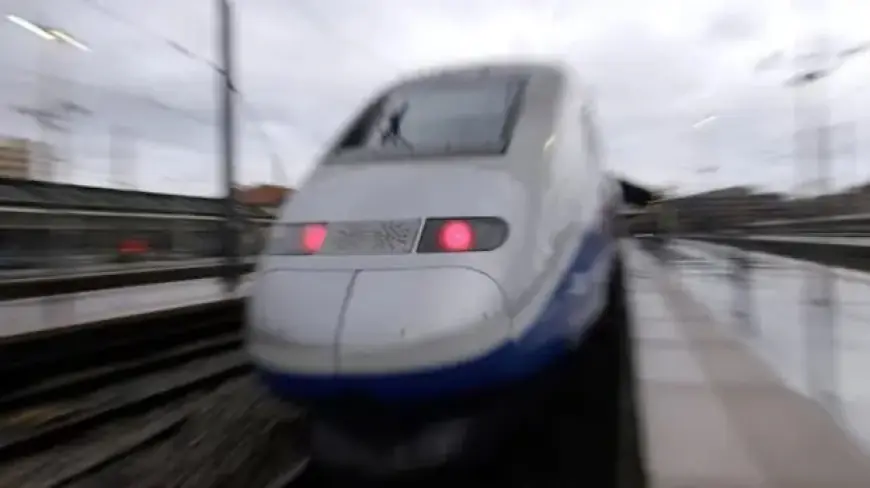
The launch of public consultations regarding the proposed high-speed rail corridor from Toronto to Quebec City begins soon. This project, touted as a significant nation-building endeavor, aims to reshape travel in Canada. The Crown corporation Alto oversees this ambitious initiative, seeking input from citizens on key aspects such as station locations.
Public Consultations Overview
The consultations will occur in Ottawa at Bayview Yards on Wednesday and Thursday from 11 a.m. to 3 p.m. and 5 p.m. to 9 p.m. Additional open houses are scheduled across Quebec and Ontario from January through March, including an event in Gatineau on March 11.
Project Timeline and Funding
Last year, the Canadian government announced a six-year, $3.9 billion plan for the high-speed rail project. The proposed corridor would span 1,000 kilometers using fully electric trains capable of speeds up to 300 km/h. This innovation aims to drastically reduce travel times, halving the duration of current Via Rail journeys.
- Travel time from Ottawa to Toronto: Approximately 2 hours
- Travel time from Ottawa to Montreal: About 1 hour
Alto’s CEO, Martin Imbleau, stated that construction of the first 200-kilometer segment between Montreal and Ottawa, with a stop in Laval, is expected to begin around 2029-30. The entire project is projected to take 15 to 18 years for completion, making it one of Canada’s largest infrastructure endeavors.
Projected Costs and Financial Planning
Estimates for the overall cost of the high-speed rail project range from $60 billion to $90 billion. Currently, financing of about $3 billion to $4 billion is allocated for developmental phases leading to the construction of the initial leg.
Route and Land Considerations
The rail corridor will traverse two provinces, requiring a significant amount of land. Imbleau noted that the proposed alignment is not yet definitive, stressing the importance of public feedback in this phase. The corridor’s width could extend up to 10 kilometers in certain areas.
- The project could impact both rural and suburban regions
- Environmental and social considerations will inform route alignment decisions
In situations involving property expropriation, the government has committed to offering fair compensation to landowners affected by the project.
Station Locations and Connectivity
Several potential locations for the Ottawa station are currently under review. Former Union Station and the Via Rail station on Tremblay Road are among the sites being considered. Connecting the high-speed rail network to existing transit systems, such as Ottawa’s LRT, is a priority in planning the station layouts.
As public consultations commence, concerns about the project’s accessibility, potential property impacts, and the overall execution remain paramount. Stakeholders encourage community engagement to ensure that the high-speed rail reflects the needs and priorities of all Canadians.