
























Are Smart Grids the Solution to Increasing Storm-Induced Blackouts?

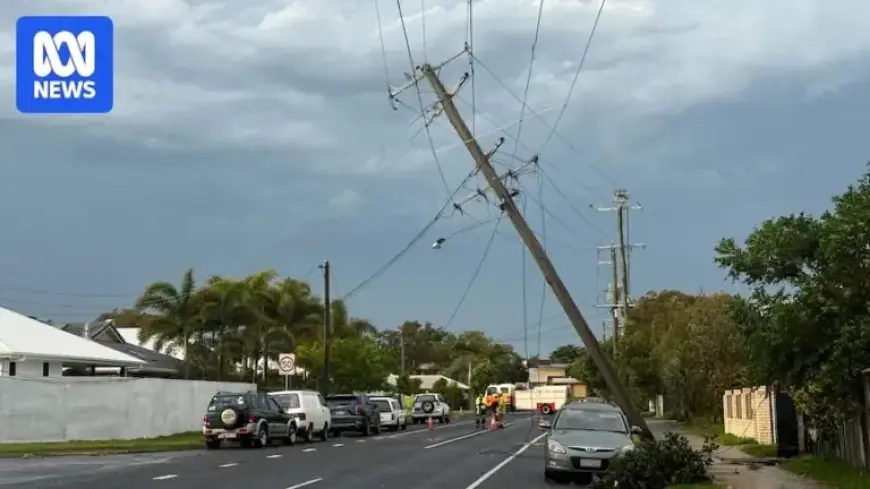
In October of last year, a severe storm impacted southeastern Queensland, leaving many residents without power. Among them was Grayson Cavanagh, who experienced the discomfort of living without electricity in her Brisbane apartment. Cavanagh commented on the significant inconvenience of power outages, particularly given the hot climate.
After the storm, she and her partner resorted to using a gas stove to finish their dinner by candlelight. Unfortunately, the loss of power also meant discarding approximately $200 worth of perishable food items from their fridge. Cavanagh expressed concern, especially regarding seafood and raw chicken, which typically require refrigeration.
The power outage posed additional challenges, especially for residents relying on building elevators. Cavanagh noted that elderly residents faced difficulties using the stairs. With such storms becoming more frequent, experts predict that proactive measures are essential to mitigate future blackouts.
Increasing Storm-Induced Blackouts in Queensland
Queensland has witnessed numerous blackouts recently, with tens of thousands affected. The Australian Energy Market Operator (AEMO) has raised alarms regarding a “reliability gap” in supply. As climate change leads to more severe weather, addressing these issues becomes imperative.
The Case for Smart Grids
Yateendra Mishra, an associate professor at Queensland University of Technology, argues for modernizing the electricity grid through “smart grids.” These systems utilize technologies such as artificial intelligence (AI) and batteries to enhance efficiency and expedite power restoration after outages.
- Benefits of Smart Grids:
- Facilitate quicker power restoration.
- Enhance load management during peak times.
- Utilize community batteries for energy storage.
Mishra suggests implementing microgrids, which are smaller, battery-operated sections of the grid capable of independent operation. These microgrids can provide localized resilience during adverse weather conditions, greatly improving power reliability.
Trial Projects and Future Plans
Energy Queensland is conducting trials of microgrid projects in remote areas, such as Mossman Gorge and Jumbun. According to chief engineer Suzanne Shipp, these microgrids will operate independently, enhancing the resilience of local communities during outages.
- Planned Microgrid Functions:
- Operate in an islanded mode during network issues.
- Integrate excess solar energy into the grid during peak demand.
While microgrids may not be practical for urban centers like Brisbane, they are likely to be implemented in rural and isolated communities. Shipp emphasized the importance of ensuring these projects are “prudent and efficient,” as they come with multi-million-dollar costs.
Looking ahead, Energy Queensland is also exploring the application of AI technologies to improve predictive capabilities regarding storm impacts and outages. With climate-related challenges on the rise, modernizing the grid through smart technologies could be pivotal in addressing the growing frequency of storm-induced blackouts in Queensland.