






















Are There Too Many Restaurants in Monaco? Industry Experts Weigh In

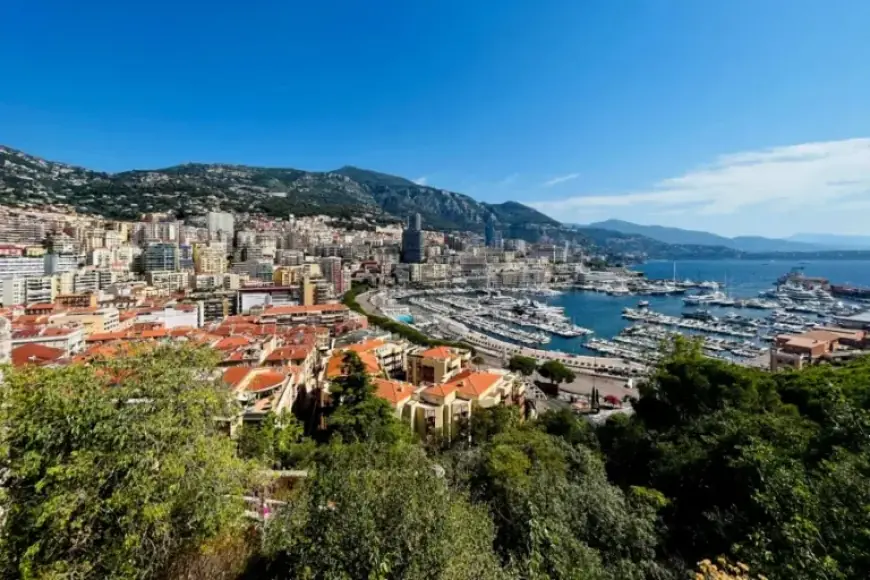
The culinary landscape of Monaco is experiencing rapid growth, raising questions about whether the number of restaurants has reached saturation. As of 2024, there are 246 established restaurants within the principality, a slight increase from 233 in 2020, according to figures from IMSEE. However, this figure does not include restaurants associated with hotels, which are not counted in official statistics.
Restaurant Density and Demographics
With a population of approximately 39,000, Monaco has a strikingly high restaurant density, averaging 6.4 establishments per 1,000 residents. In contrast, major cities like New York and Paris have 3.8 and 12.2 restaurants per 1,000 residents, respectively. Notably, restaurant distribution varies significantly across different neighborhoods:
- The Condamine: 91 restaurants (15.6 per 1,000 residents)
- Monte-Carlo: 73 restaurants
- Moneghetti: 7 restaurants
- La Rousse: 8 restaurants
The restaurant sector in Monaco employs around 2,578 people, not including an additional 1,300 employees working within the Société des Bains de Mer.
Is There an Oversupply of Restaurants?
The question of restaurant oversaturation in Monaco has sparked debate among industry experts. A breakfast debate held on December 5, 2023, discussed the theme, “Too Expensive for Clients, Too Tight for Restaurateurs?” Alberte Escande, president of the AIHM and owner of La Table d’Élise, suggested that the increase in telecommuters has contributed to the oversupply. The number of teleworkers surged by 19% from 2023 to 2024, resulting in an estimated reduction of nearly 600,000 midday meals annually.
Mixed Opinions Among Restaurateurs
Although some restaurateurs agree there are too many restaurants, opinions vary widely. Iacopo La Guardia, manager of Bella Vita, advocates for regulation, arguing that limiting the number of restaurants could help improve overall business conditions. In contrast, Riccardo Giraudi believes regulation is unnecessary. He attributes the challenges of the restaurant scene to a misperception of Monaco as a paradise for restaurateurs.
Patrick Gioannini, owner of Moshi Moshi and Norma, supports the idea that competition can foster quality improvement and suggests that those who fall short will close naturally.
Restaurant Types in Monaco
Monaco’s culinary offerings also come under scrutiny, with Italian cuisine being the most prevalent. While some perceive Italian restaurants as overrepresented, others note a rise in Asian cuisine, particularly Japanese. Giraudi highlights the cultural appeal of Italian cuisine, which aligns with local demographics in a Mediterranean context. Meanwhile, he points out that high property costs primarily influence the types of restaurants that thrive, favoring upscale venues over independent options.
Economic Realities and Culinary Variety
Establishing a restaurant in Monaco demands a significant financial investment, complicating profitability. Italian gastronomy, with its lower material costs, and Japanese cuisine, known for higher average bills, stand out as financially viable options. Experts warn that the overwhelming rent costs could eventually lead to a landscape dominated by international restaurant chains at the expense of diverse, local establishments.
Ultimately, the conversation around the restaurant industry in Monaco touches on finding balance: alluring tourists while meeting local expectations and diversifying culinary offerings within economic constraints.