






















Appeals Court Blocks Ruling Against Federal Agents Retaliating on Protesters

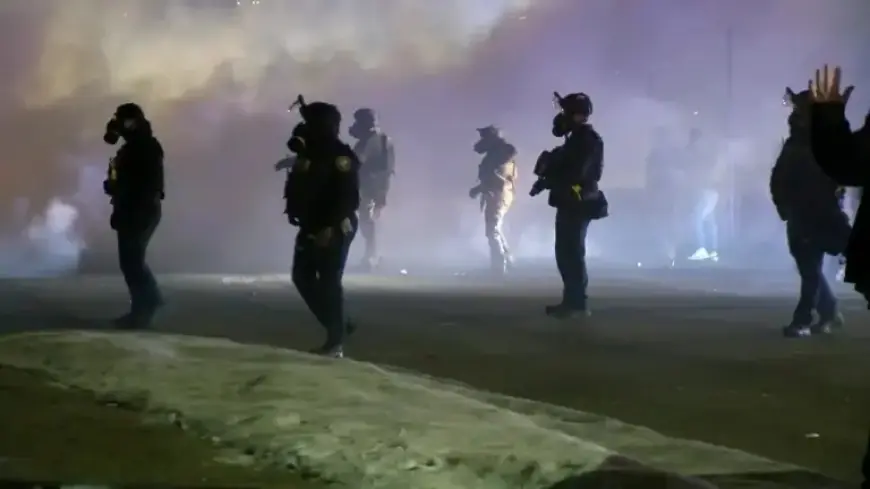
A federal appeals court has overturned a district court ruling that sought to limit federal agents’ interactions with protesters and observers during immigration enforcement operations. This decision was made on a Wednesday by the Eighth Circuit Court of Appeals in St. Louis. The court granted the government’s request for an administrative stay, deeming the earlier ruling overly broad and impractical for everyday operations of Immigration and Customs Enforcement (ICE) and Border Patrol agents.
Background of the Case
The original ruling came from U.S. District Court Judge Katherine Menendez in Minnesota. She prohibited federal immigration agents from arresting, detaining, or retaliating against peaceful protesters and legal observers. Specific provisions included restrictions on traffic stops and the use of tear gas against these individuals.
ACLU Lawsuit Highlights
The case originated from a lawsuit filed by the American Civil Liberties Union (ACLU) of Minnesota. They represented protesters and observers who claimed federal agents violated their First and Fourth Amendment rights by arresting or stopping them without cause.
Government Response
U.S. Attorney General Pam Bondi praised the appellate court’s decision. She argued that Menendez’s ruling aimed to undermine federal law enforcement efforts. Bondi criticized the lower court’s findings, describing them as an attempt to restrict ICE agents’ abilities to enforce immigration laws effectively.
Implications of the Ruling
- The appeals court’s decision allows federal agents to continue their enforcement activities without additional restrictions.
- The ruling is expected to impact how ICE operates in Minnesota and possibly across other states.
- It highlights the ongoing tension between federal immigration enforcement and civil rights protections.
As the situation develops, it remains to be seen how this ruling will influence the actions of federal agents and the responses from advocacy groups committed to protecting civil liberties.