
























Tommy Lee Walker Exonerated 70 Years Post-Execution

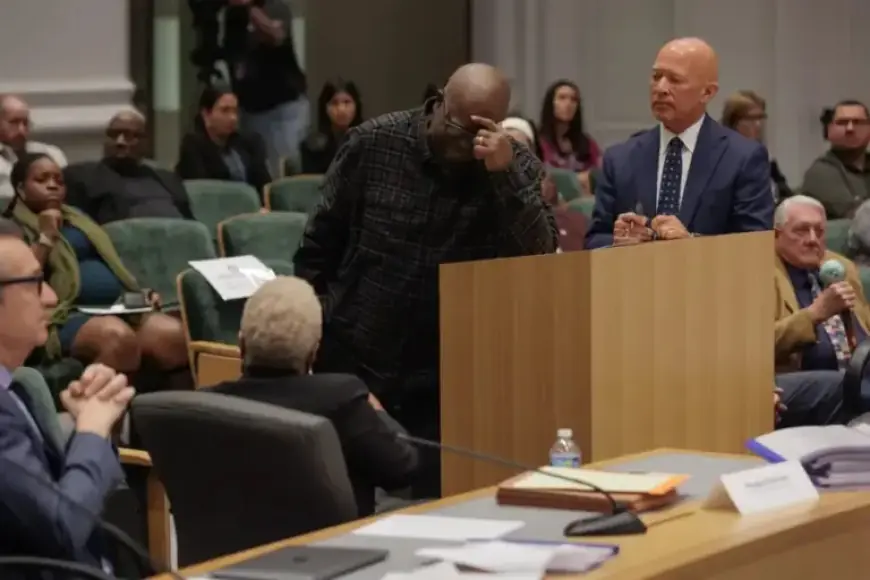
On January 21, 2026, the Dallas County Commissioners Court officially exonerated Tommy Lee Walker, who was wrongfully executed for the 1953 rape and murder of Venice Parker. This judgment comes seven decades after his execution when Walker was just 19 years old. His case has now been recognized as a significant miscarriage of justice rooted in false evidence, coercive interrogation methods, and systemic racial bias.
Background of the Case
Tommy Lee Walker was arrested and executed in 1955 for a crime he did not commit. A thorough reinvestigation by the Dallas County District Attorney’s Conviction Integrity Unit, the Innocence Project, and the Civil Rights and Restorative Justice Project discovered serious flaws in the original investigation. According to the review, Walker’s arrest and conviction were compromised by unreliable evidence and racial prejudice.
Impact on the Walker Family
- Edward Smith, Walker’s son, has endured generational trauma due to his father’s wrongful conviction.
- Chris Fabricant, an attorney with the Innocence Project, emphasized the importance of acknowledging the truth behind the wrongful execution.
- This recognition aims to provide a sense of justice not only for Tommy Lee Walker but also for his family who suffered for decades.
Investigation and Trial Concerns
The investigation into Venice Parker’s murder began with a public panic in racially segregated Dallas, labeled as the “Negro prowler” scare. After a series of assaults, Walker was identified as a suspect primarily through a single eyewitness account that lacked substantive evidence.
Notably, many Black men were coerced into confessions under extreme pressure. Walker, who had no prior record, insisted on his innocence but succumbed to coercive tactics that included threats of execution. This led to two false confessions, one of which he recanted immediately.
Eyewitness Misidentification
The prosecution relied heavily on unreliable eyewitness identifications, which are known to contribute to wrongful convictions. In Walker’s trial, the eyewitnesses identified him only after hearing widespread media coverage linking him to the crime.
Prosecutorial Misconduct
Despite his defense led by renowned lawyer William J. Durham, Walker faced serious obstacles during his trial. The jury was composed solely of white men, violating his right to a fair trial. District Attorney Henry Wade engaged in extensive misconduct, including failing to present exculpatory evidence and personally testifying against Walker.
Walker was convicted in just a few hours, igniting significant public outcry against the verdict. Community support did little to prevent his execution, illustrating the entrenched racial injustices in the criminal legal system.
Continuing Legacy of Injustice
The impact of Walker’s case extends beyond his personal story. National statistics reveal that Black men are disproportionately wrongfully convicted, especially when involving white victims. The Death Penalty Information Center reported in 2022 that Black defendants are 7.5 times more likely to be wrongfully convicted of murder than their white counterparts.
For Edward Smith, the exoneration is a bittersweet moment. He reflects on the void left by his father’s absence but finds solace in the truth finally emerging. “This won’t bring him back, but now the world knows what we always knew — that he was an innocent man,” Smith stated.
Conclusion
The exoneration of Tommy Lee Walker is a crucial step toward recognizing the failures of the justice system. The collaboration between various organizations highlights the importance of addressing historical injustices. As the Innocence Project continues its mission, Walker’s story remains a critical reminder of the need for reform in the legal system to prevent such tragic errors in the future.